下载App
资质规则
旅行
账户

sandsandsunshine
Historical place worth visiting, but with an unpleasant twist.
Old Nessebar的点评
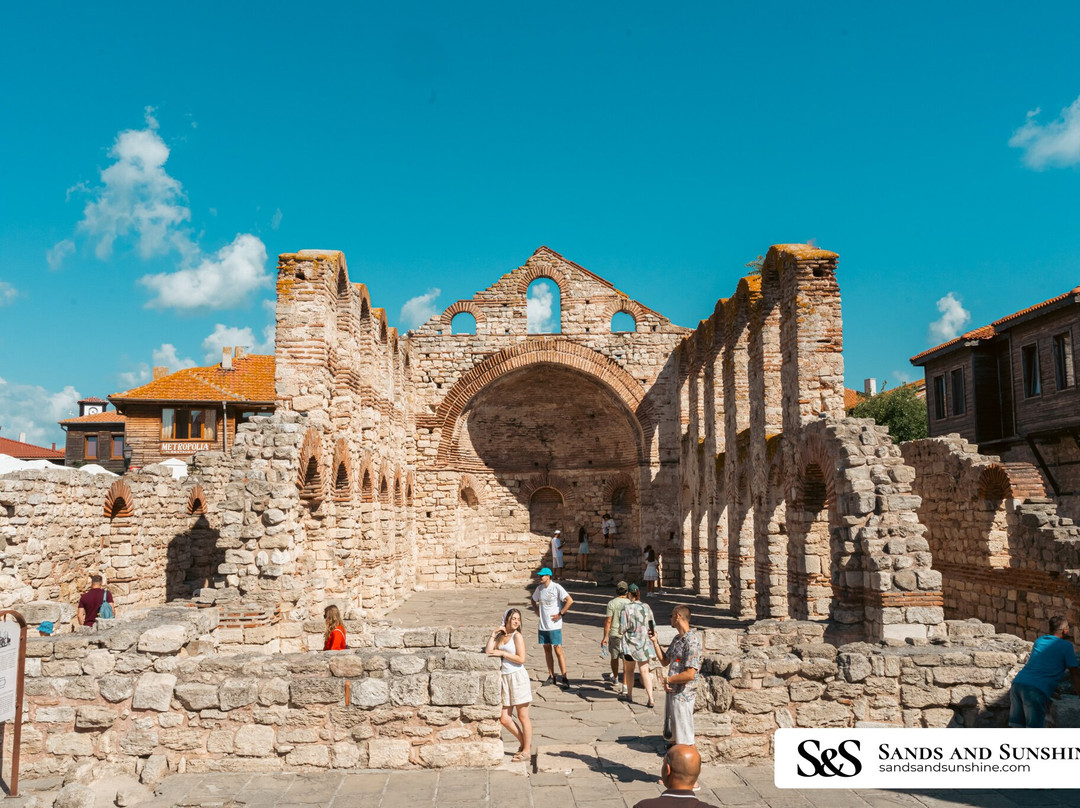
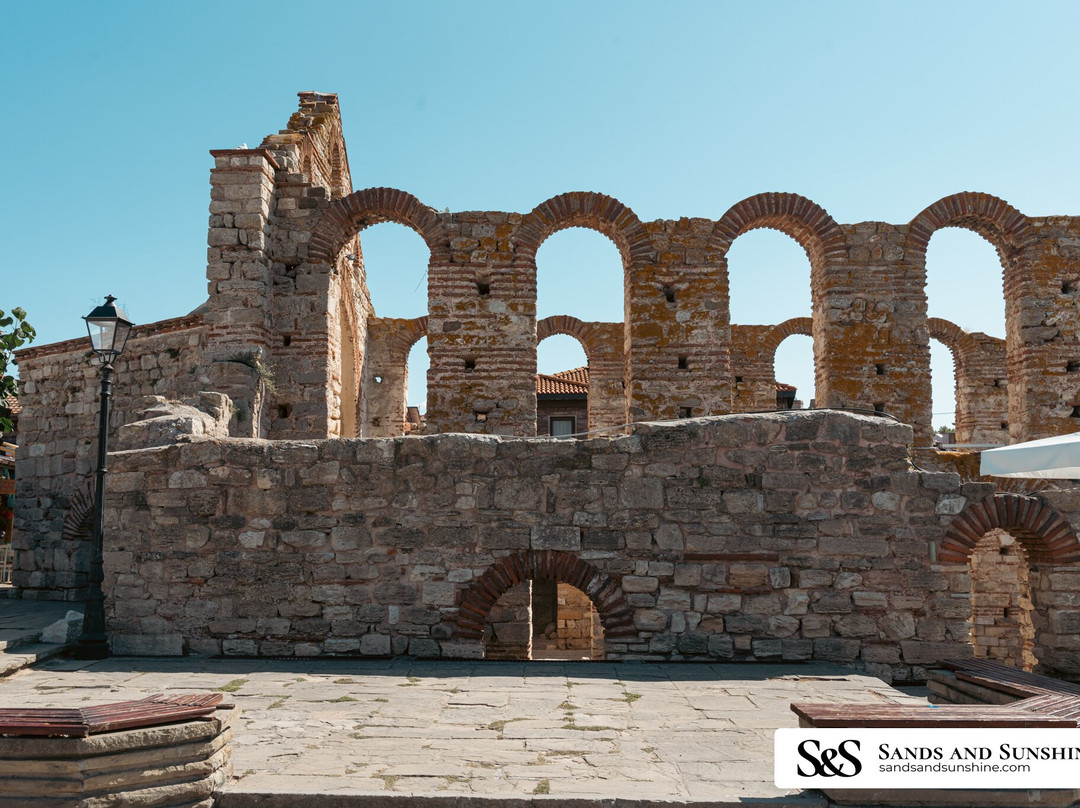
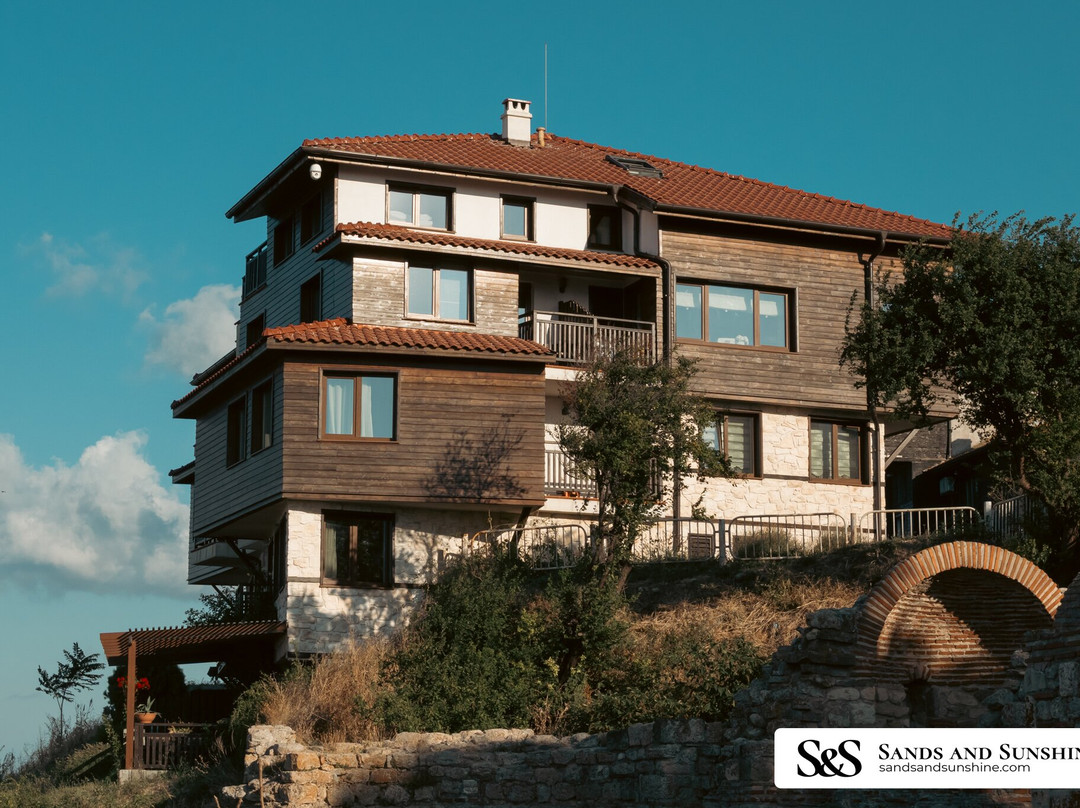
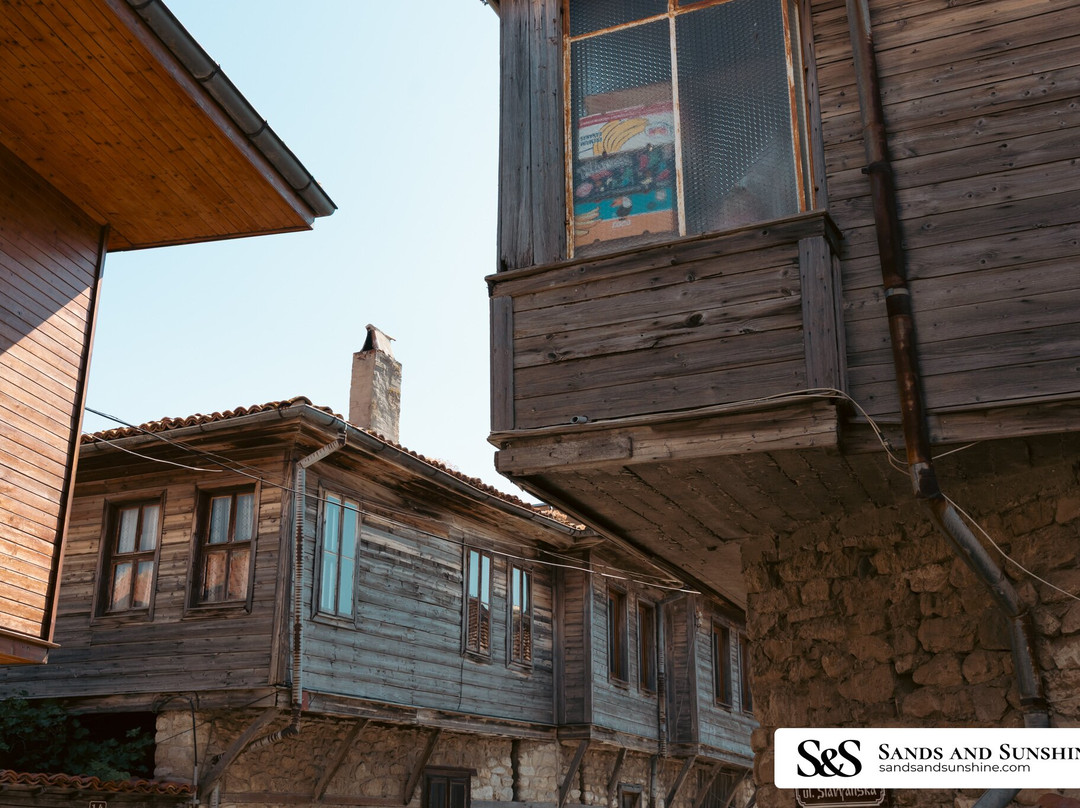
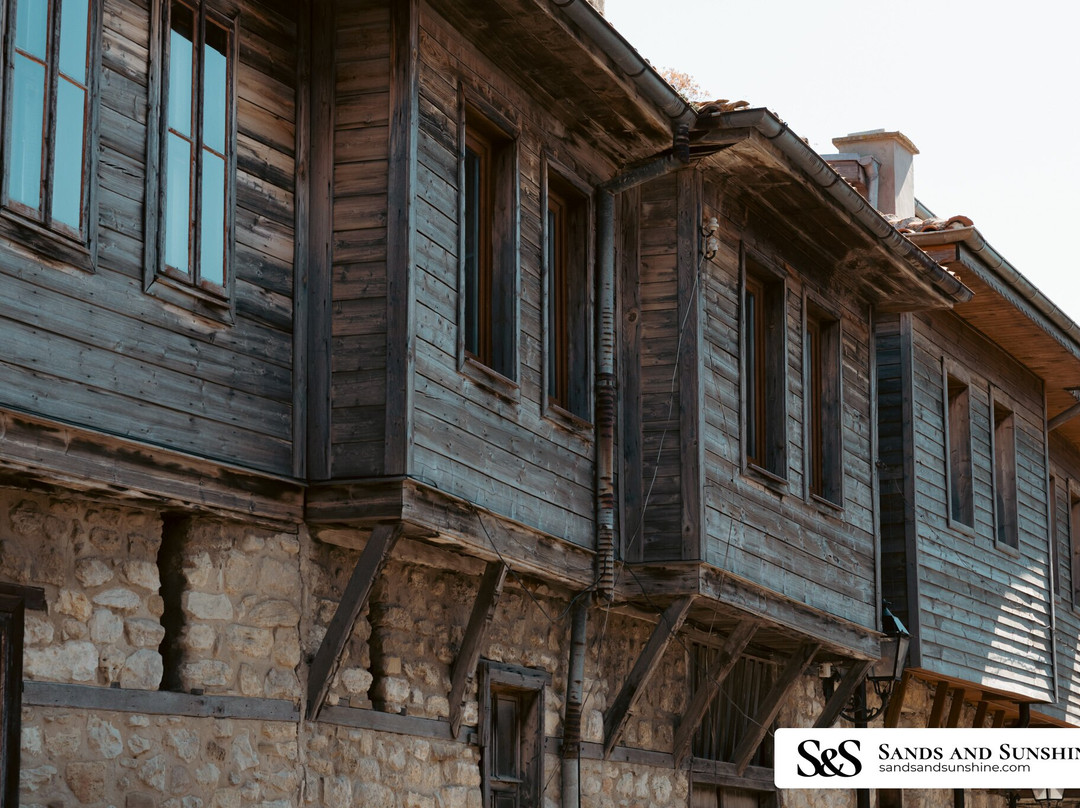
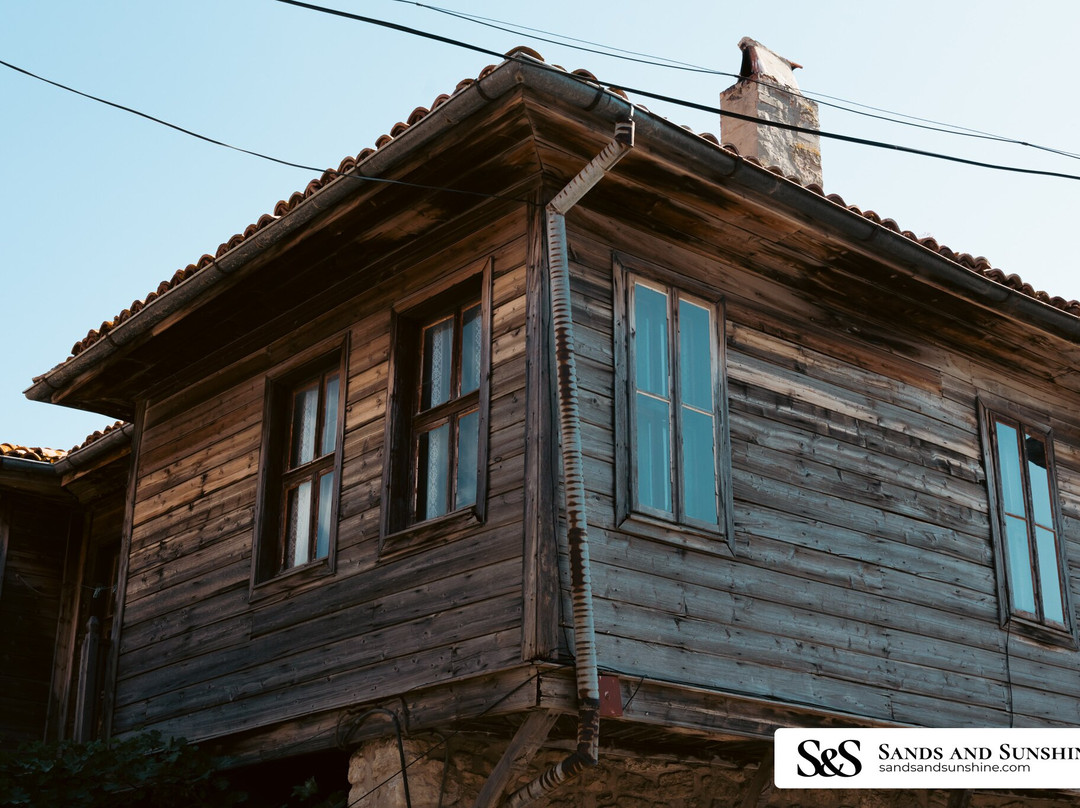
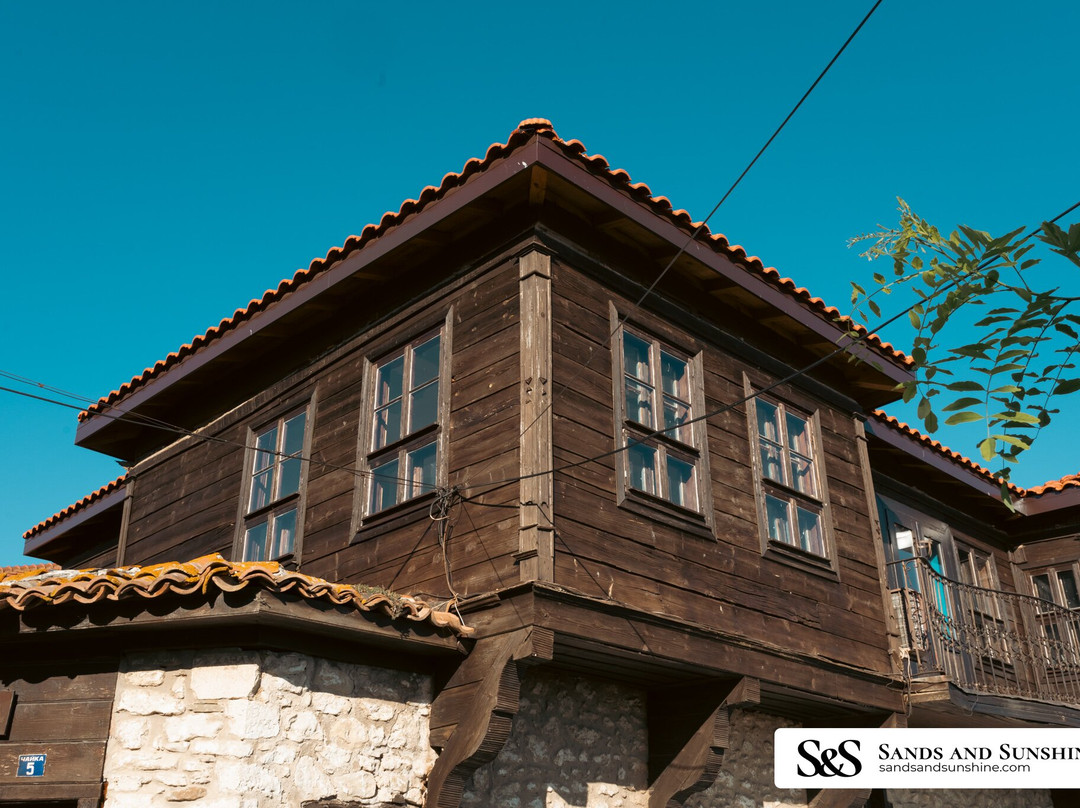
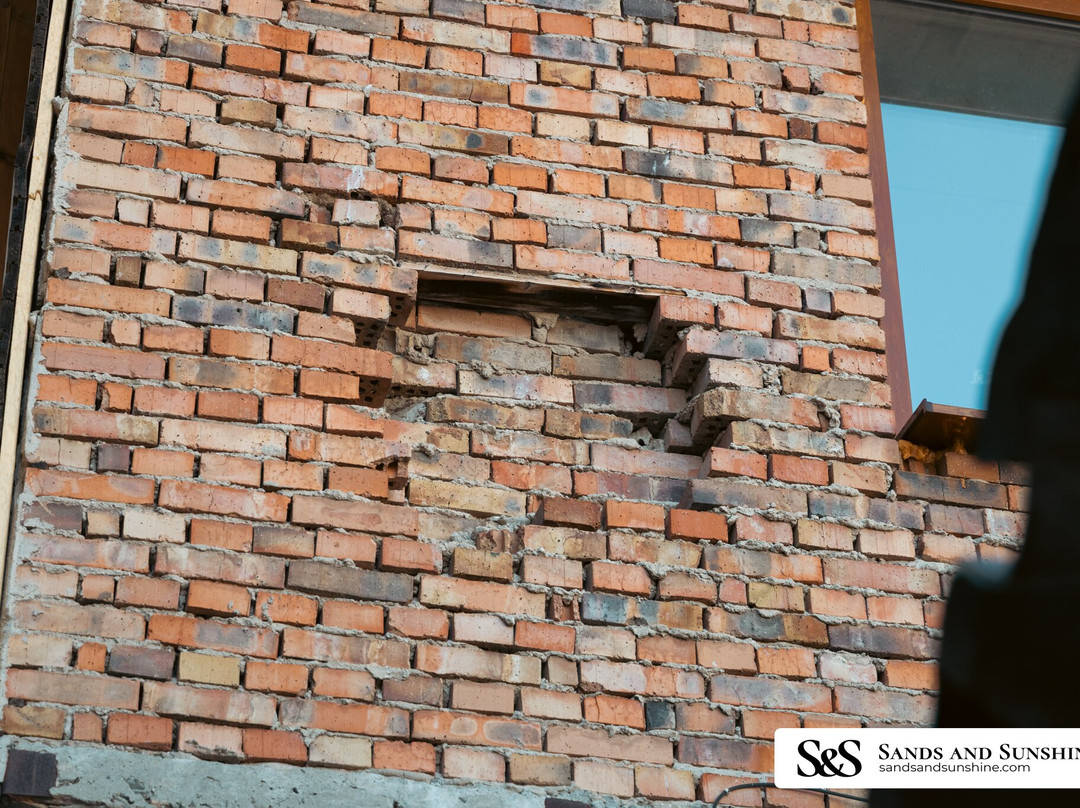
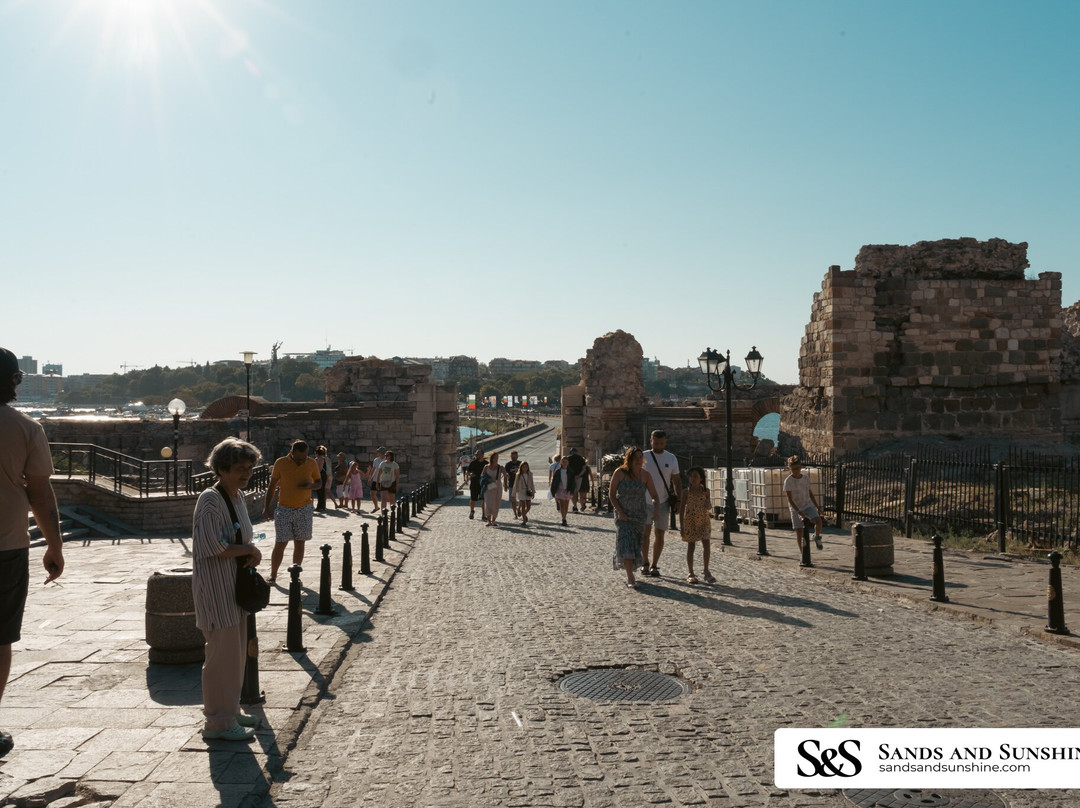
点评:Old Town Nessebar is more than 3000 years old, originally founded by the ancient Thracians and later developed as the Greek city of Mesembria. Over the centuries it was influenced by the Greeks, Romans, Byzantines and medieval Bulgarians. It is a UNESCO World Heritage Site since 1983.
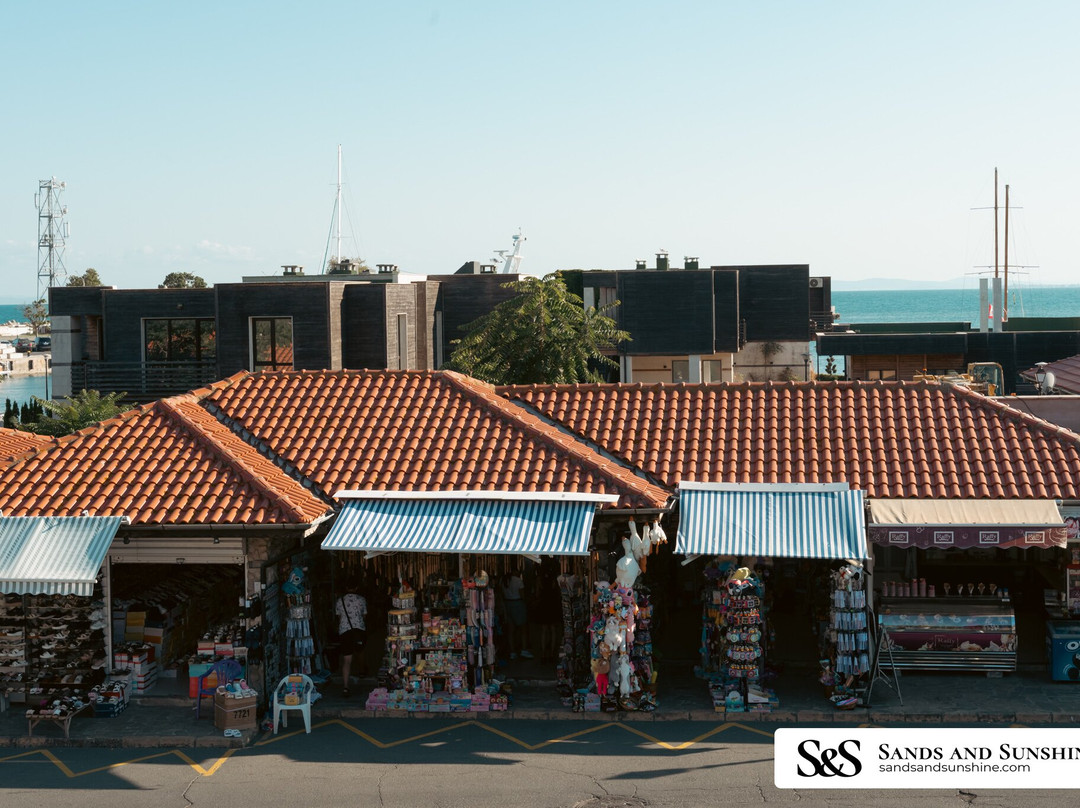
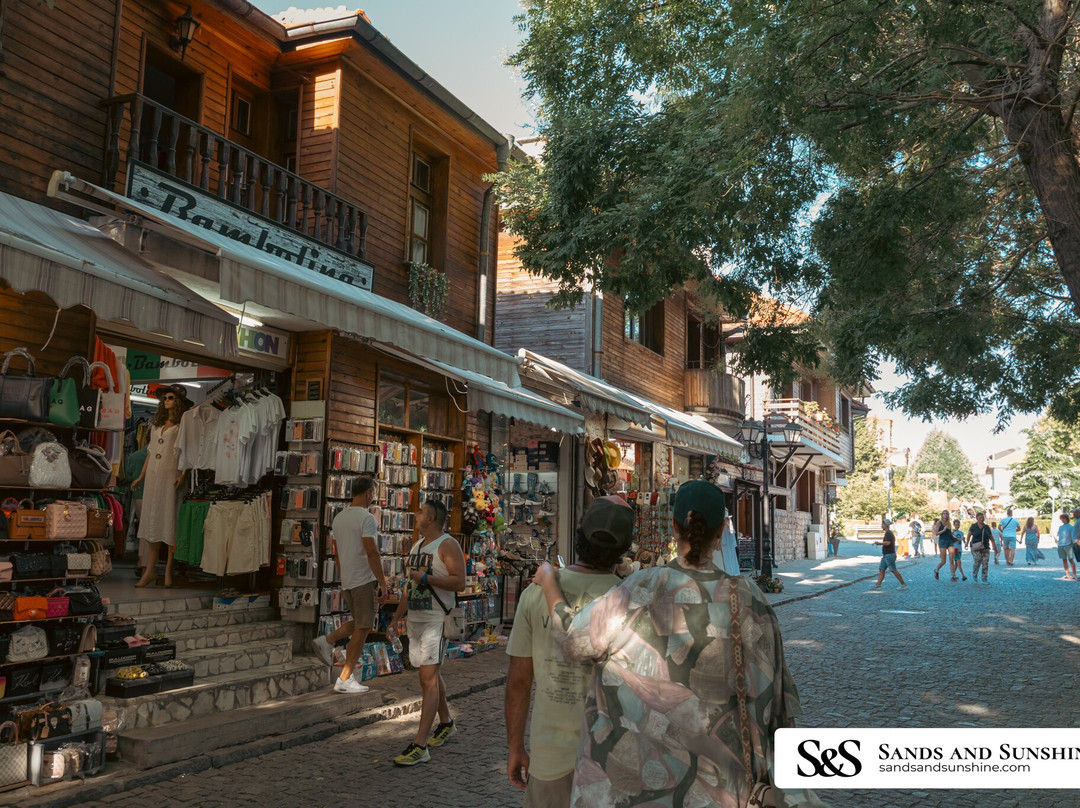
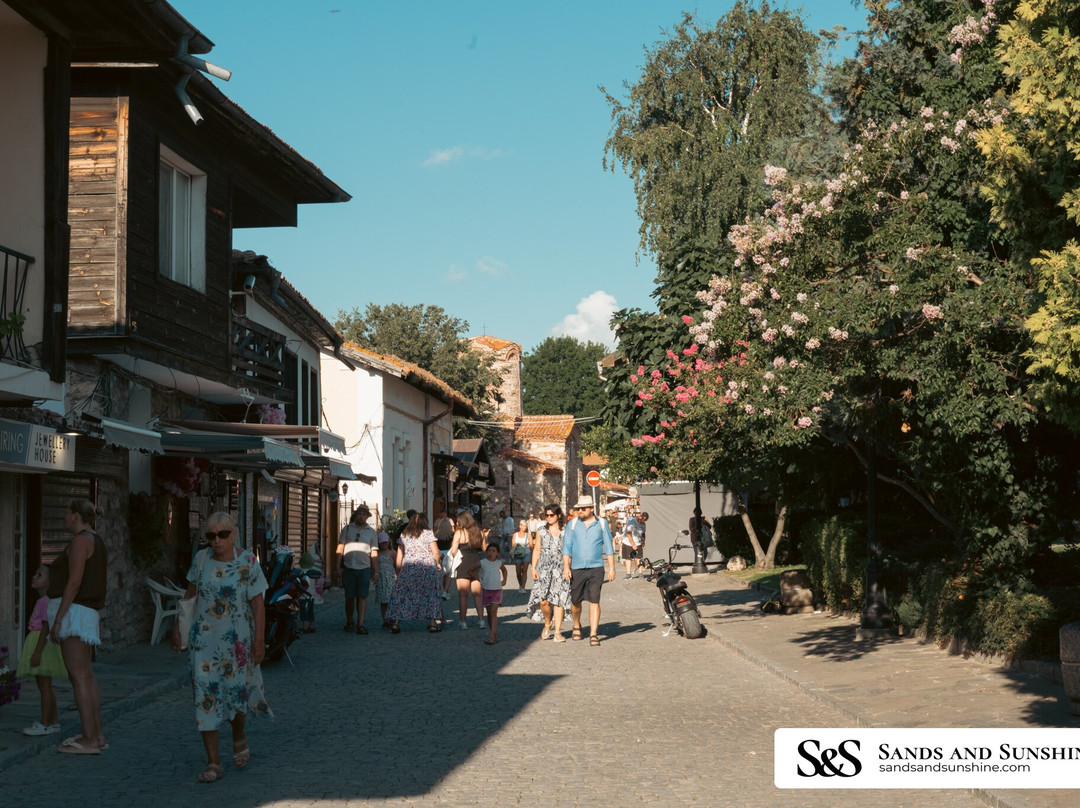
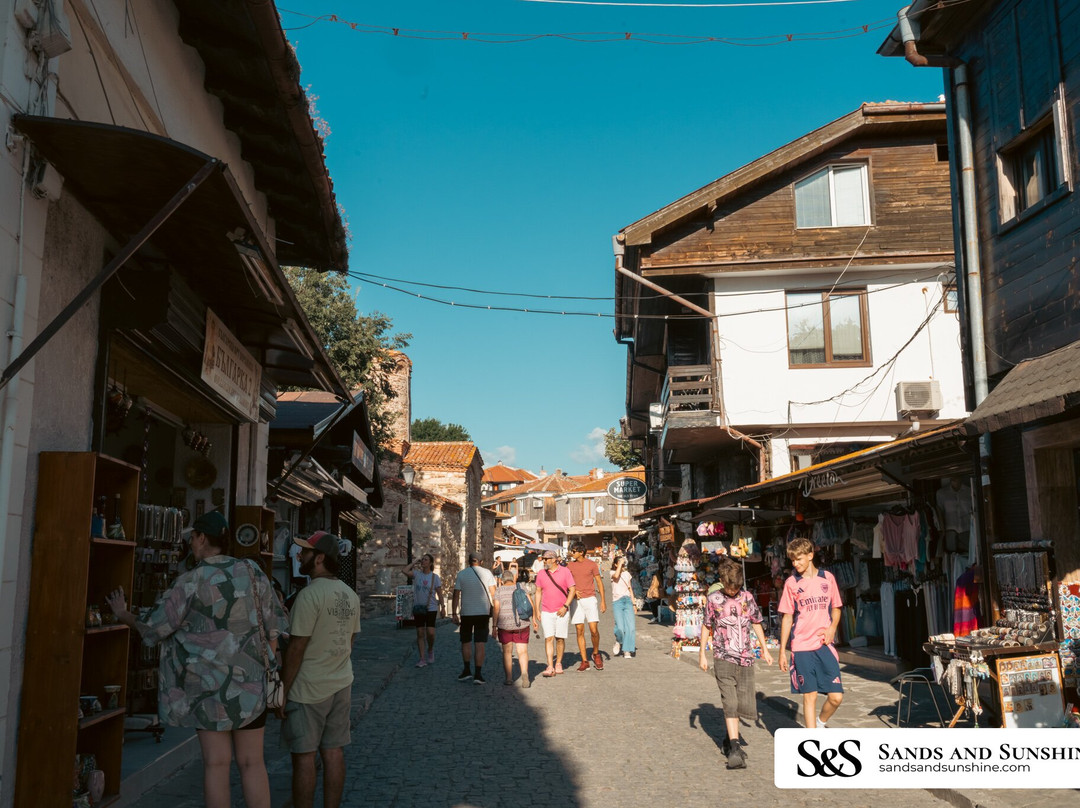
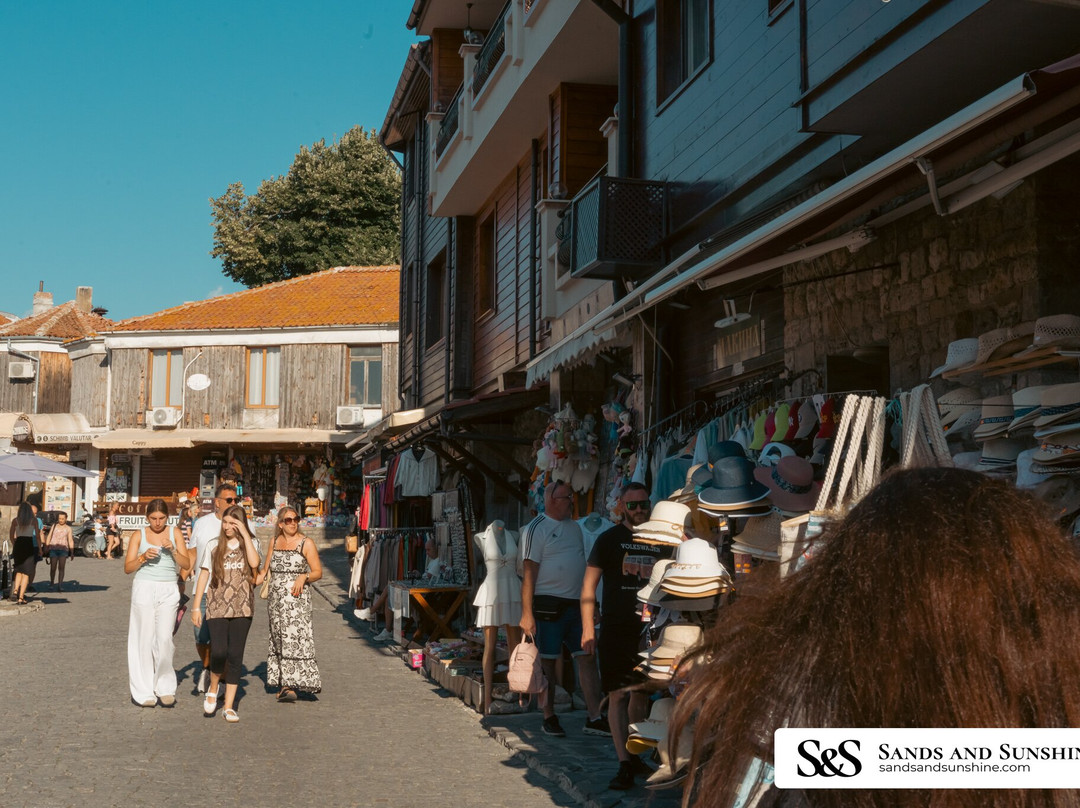
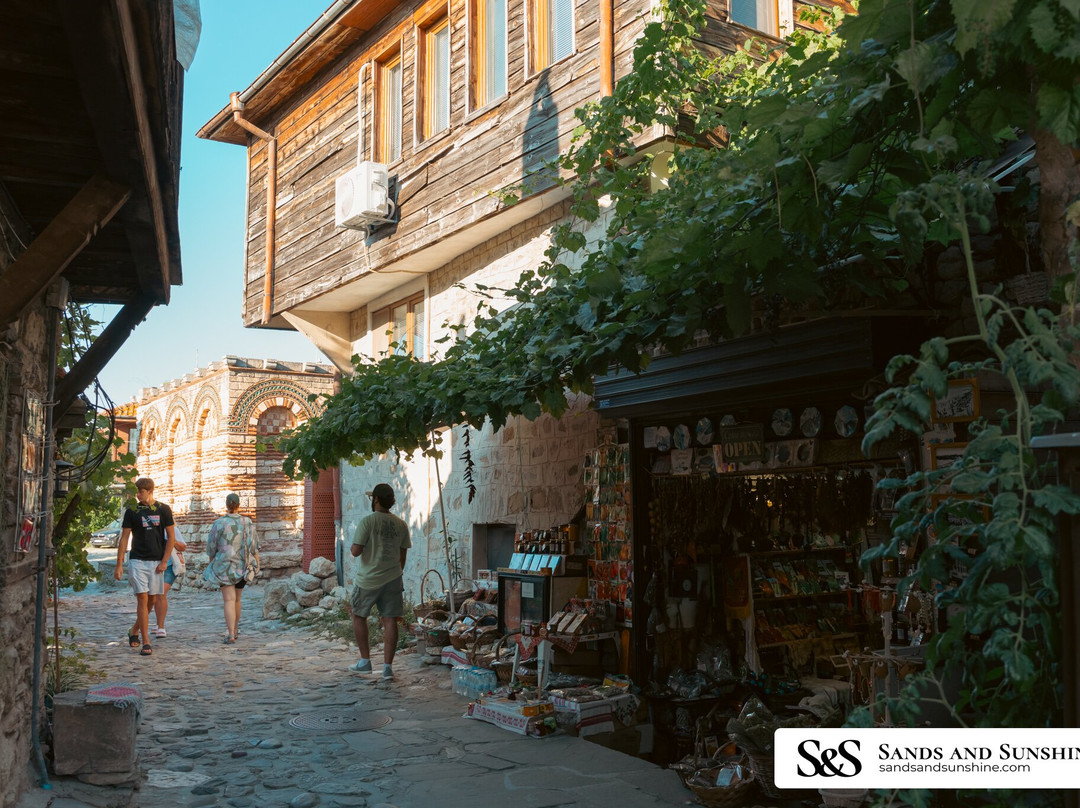
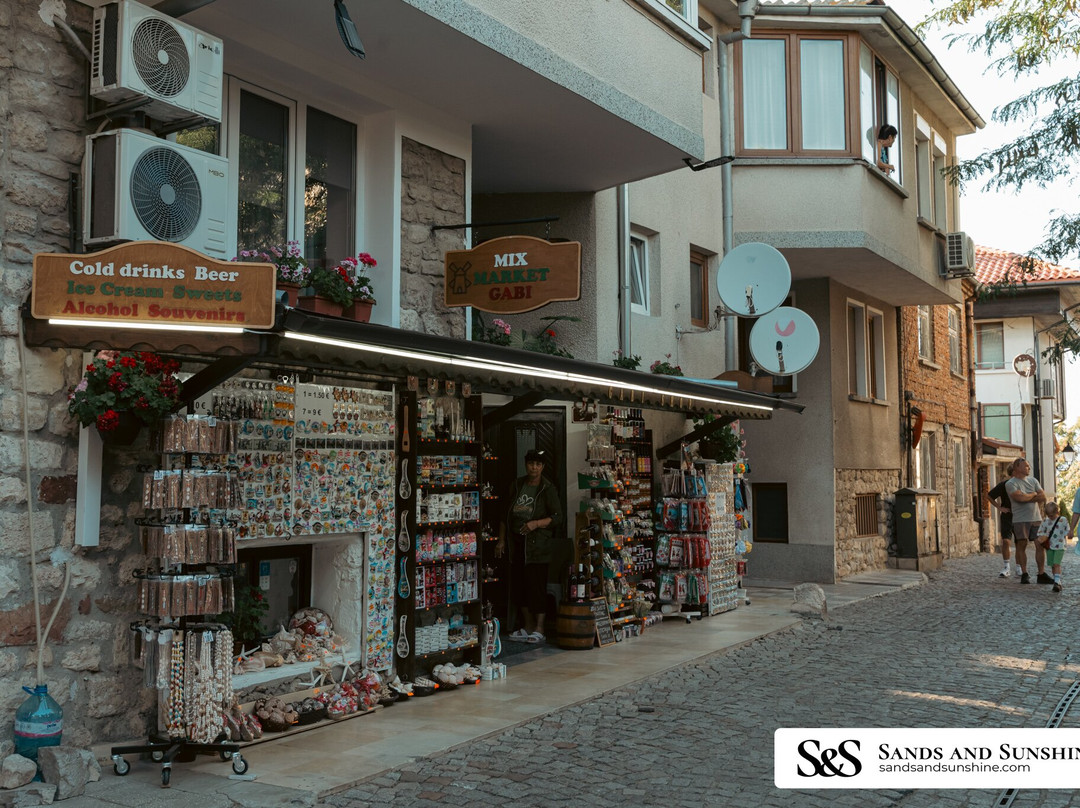
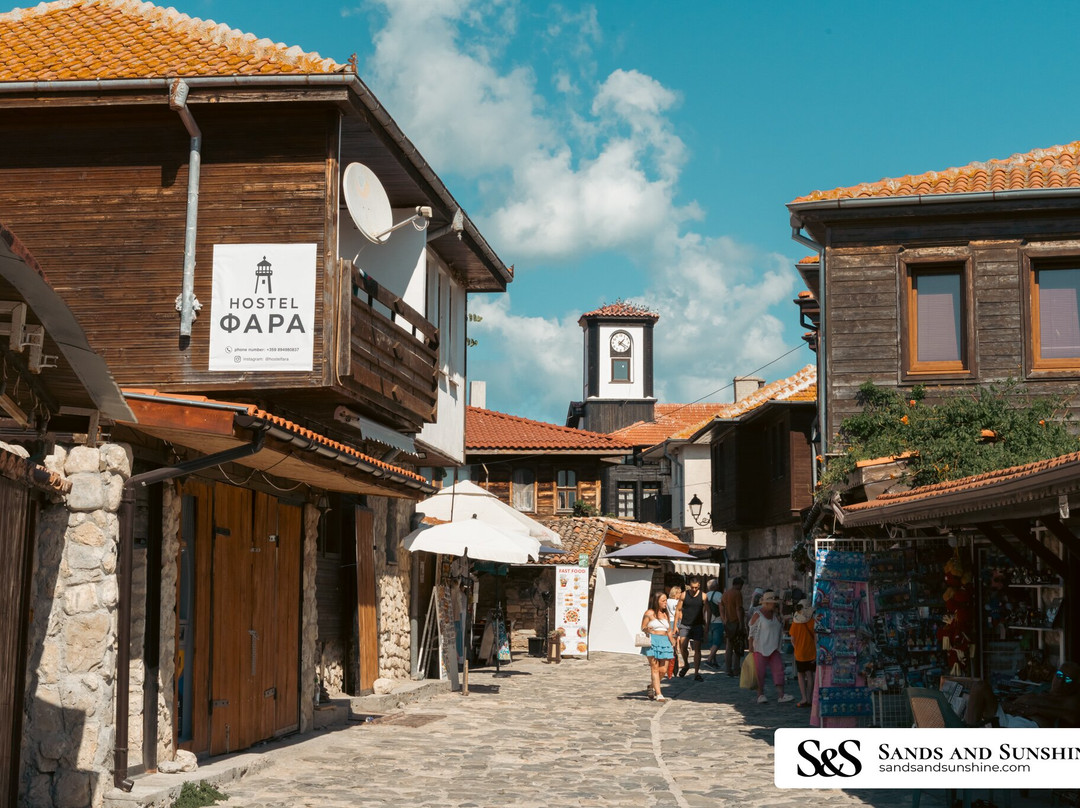
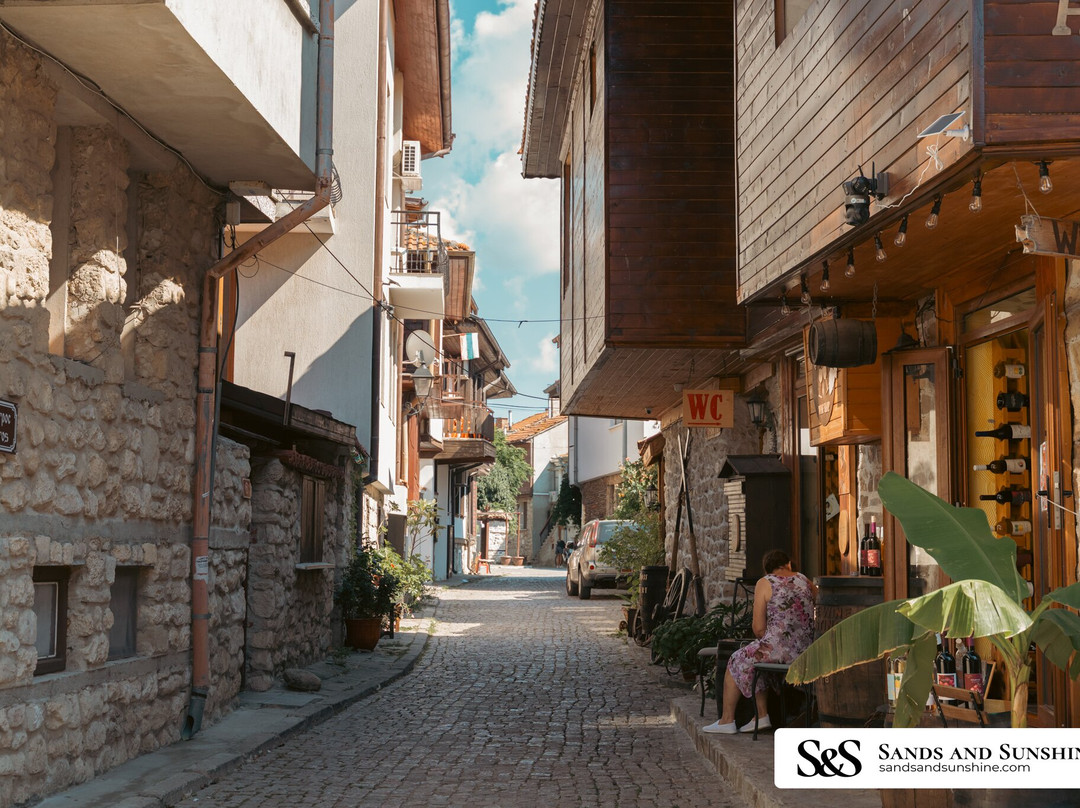
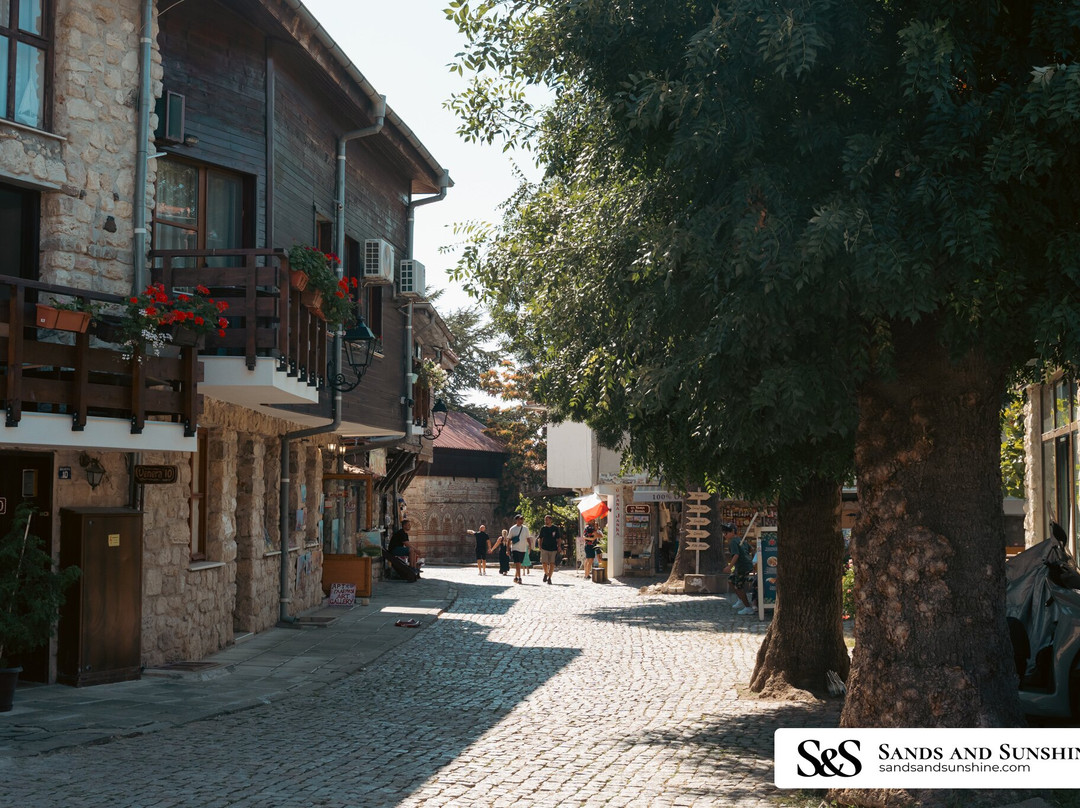
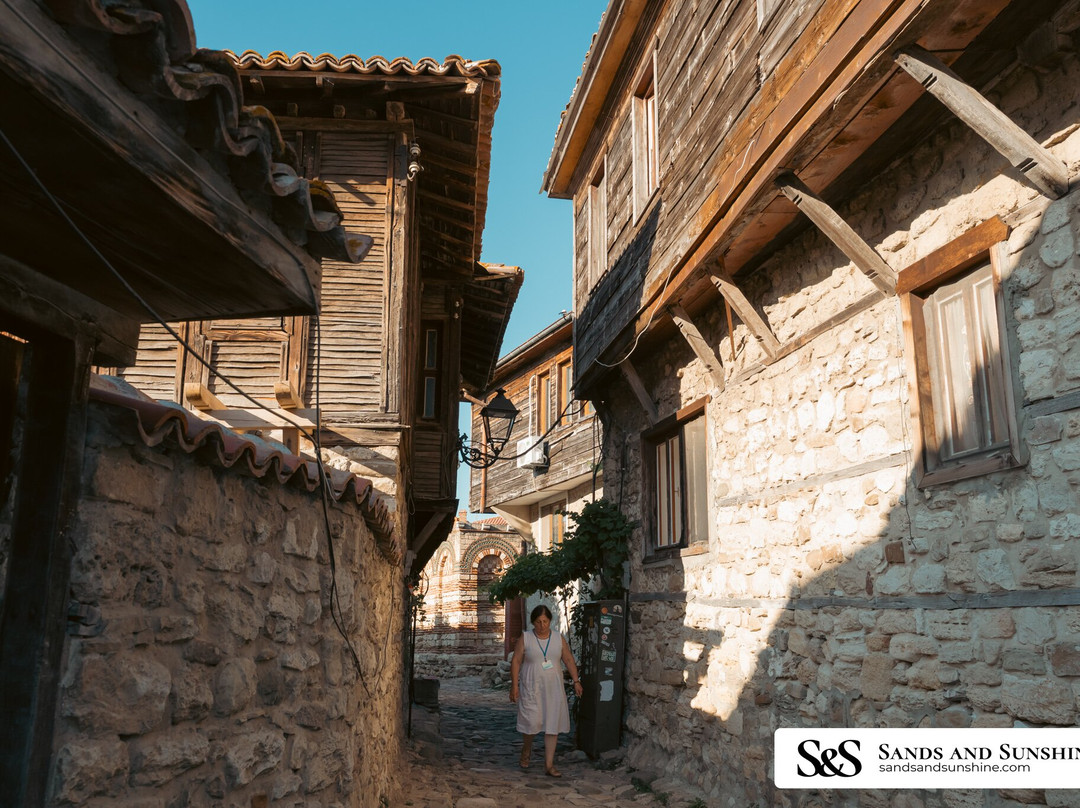
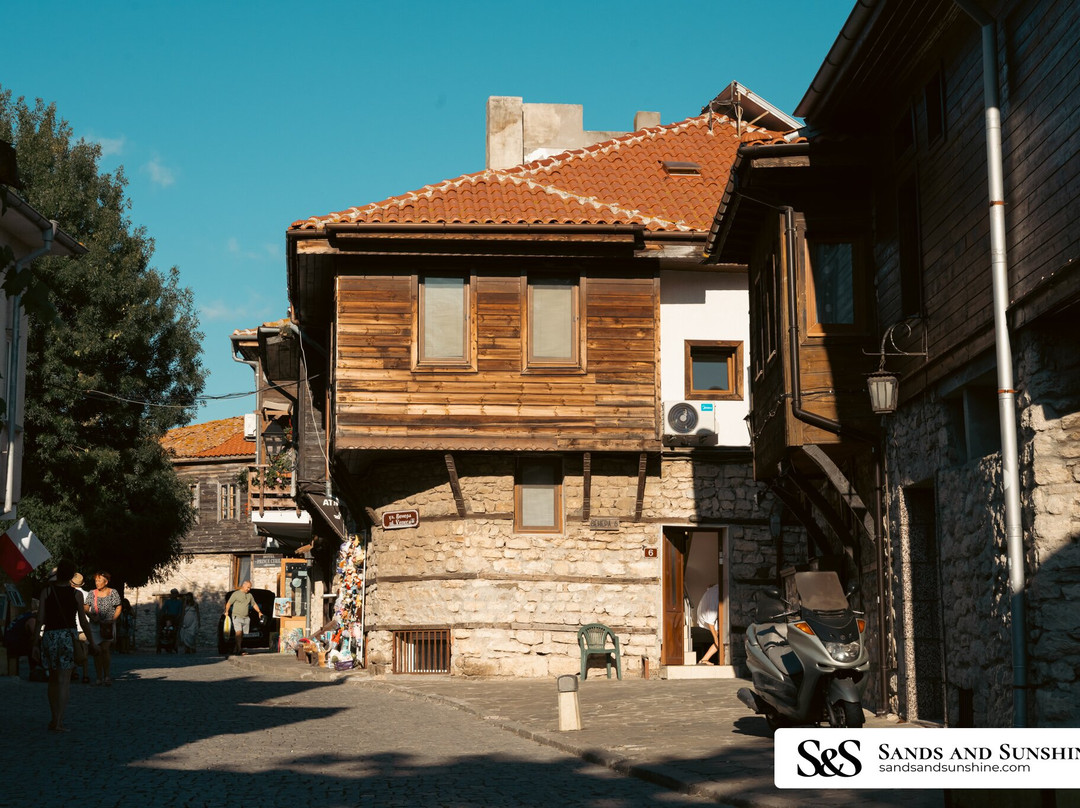
Unfortunately, the Old Town is overwhelmed by gift and souvenir shops. Most of the ground floors of the historic buildings have been turned into souvenir stores, making it surprisingly difficult to find an authentic-looking facade without a shop sign, display, or piles of merchandise getting in the way of a photo.
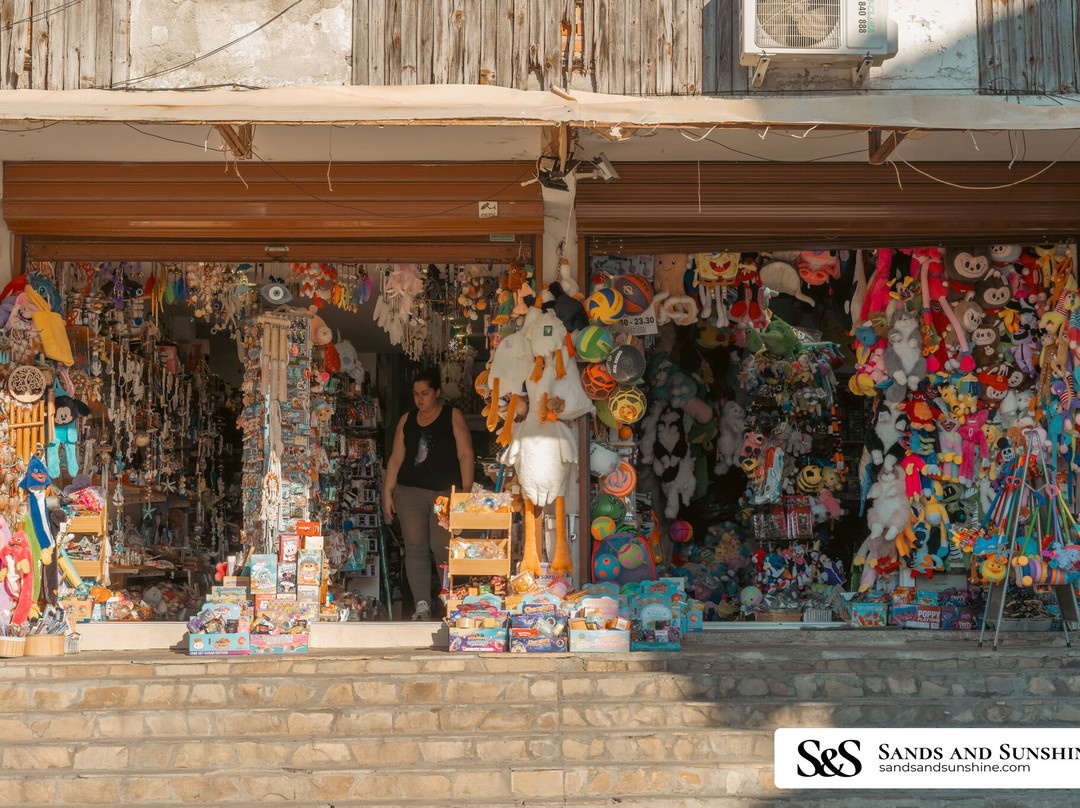
This would be easier to forgive if these shops were selling genuinely local, locally crafted products. Instead, in many cases, they are filled with generic Chinese plastic junk and increasingly, what looks like mass-produced or AI-generated SLOP. It takes away from the character and authenticity of a place that is supposed to be a UNESCO World Heritage Site...
This is not something that individual shop owners can realistically solve on their own. If Nessebar wants to live up to its UNESCO status and preserve the character of the Old Town, the local authorities really need to address the BAD type of commercialization of the historic center.
翻译:内塞巴尔老城有着3000多年的历史,最初由古色雷斯人建立,后来发展成为希腊城市“梅森布里亚”。几个世纪以来,它先后受到希腊人、罗马人、拜占庭人以及中世纪保加利亚人的影响。自1983年起,这里便被列为联合国教科文组织世界遗产。
遗憾的是,如今老城内到处都是礼品店和纪念品商店。大多数历史建筑的底层都已被改作纪念品商店。想要找到一个看起来很地道、却没有商店招牌、陈列品或堆积如山的商品来妨碍拍照的店面,其实相当困难。
如果这些店铺出售的是真正具有当地特色、由当地人亲手制作的商品,那倒还情有可原。然而实际上,它们大多充斥着千篇一律的中国产塑料制品;如今,里面还出现了越来越多看似批量生产或由人工智能生成的劣质垃圾产品。这种做法会破坏一个理应成为联合国教科文组织世界遗产地的地方的特色与原貌……
这个问题绝非单个店主能够独自解决的。如果内塞巴尔希望不辜负其联合国教科文组织遗产地的身份并保护好老城区的特色,当地当局就必须切实解决历史中心区域那种不良的商业化现象。


© 2026 Tripadvisor 版权所有。
部分照片由 VFM Leonardo 提供。
TripAdvisor公司对外部网站的内容一概不负责。优惠价格中不含税和其他费用。
ICP证:沪B2-20200433
沪ICP备20013175号
 沪公网安备31010502005427号
鹰程信息技术(上海)有限公司