下载App
资质规则
旅行
账户

Brun066
Beautiful colonial built form, though imagining it as it appeared during the era of Dutch rule requires some effort.
加勒古城的点评
点评:During the period of Dutch rule (1656–1796) — technically under the Dutch East India Company (VOC) rather than the Dutch state itself — the Company-controlled territory of Sri Lanka was administered by a governor based in Colombo and divided into three major "commanderies": Colombo, Galle, and Jaffna. Of the three, Galle is the city that best preserves the built form of that era; indeed, it now proudly bears the UNESCO World Heritage designation.
This preservation is certainly explanable because, following the Dutch departure and throughout the 19th century, Galle — slowly but steadily — lost importance compared to Colombo; decline is often synonymous with preservation. The building stock from earlier periods proved oversized for later needs, thus — at least in its most prestigious sections — it was adapted rather than replaced.
We glean essential information on this subject from U.N. Jinadasa’s essay on Galle (2020), titled "Changes in the cultural landscape and their impact on heritage management", which is available online. The essay helps us interpret what we see, distinguish between older and more recent elements of the town's built form, and imagine life during the decades when the city was constructed after passing from Portuguese to Dutch rule.
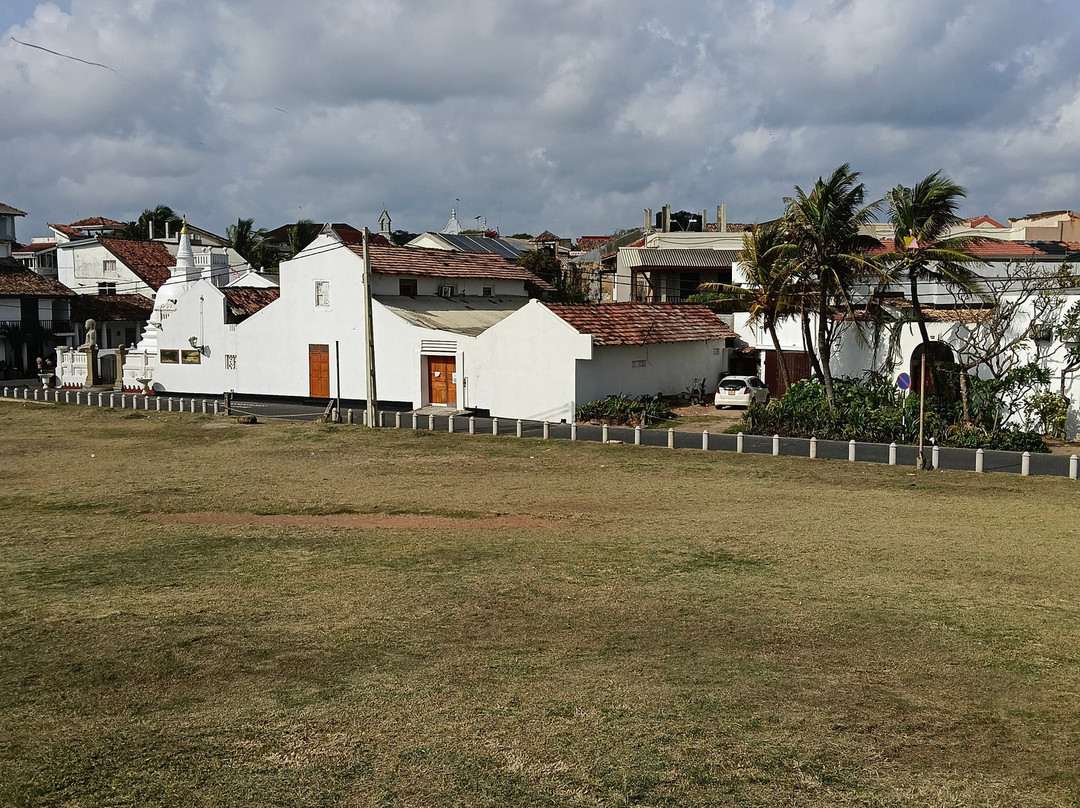
First, it's worth noting that, even today, the built-up area doesn't entirely cover the city space enclosed within the walls. Particularly to the west, a large expanse between the walls and the buildings remains an open lawn — an area once designated for military drills. In the past, even more of the urban fabric was subject to military requirements (barracks, gunpowder magazines, other depots, etc.).
The town was organized — on a small but yet significant scale — much like a town in the Dutch homeland, featuring institutions for civil governance, education, and sanitation (including a remarkable sewage system). Yet, at least according to accounts from the late 18th century, the city remained notably unhealthy; there was even talk of a specific "Galle fever".
The town plan appears rational — both originally and today — with streets intersecting on an orthogonal grid, and generally lined with dignified buildings featuring verandas and inner courtyards, alongside the even more impressive public or religious structures that can still be admired today. However, as late as the mid-18th century, records indicate that numerous plots (perhaps even the majority?) were occupied by very modest dwellings roofed only with palm leaves; indeed, a 1744 edict issued directly from the VOC administration headquarters in Batavia — modern-day Jakarta — mandated that residents unable to afford the expense of a proper tiled roof leave the walled city within two years.
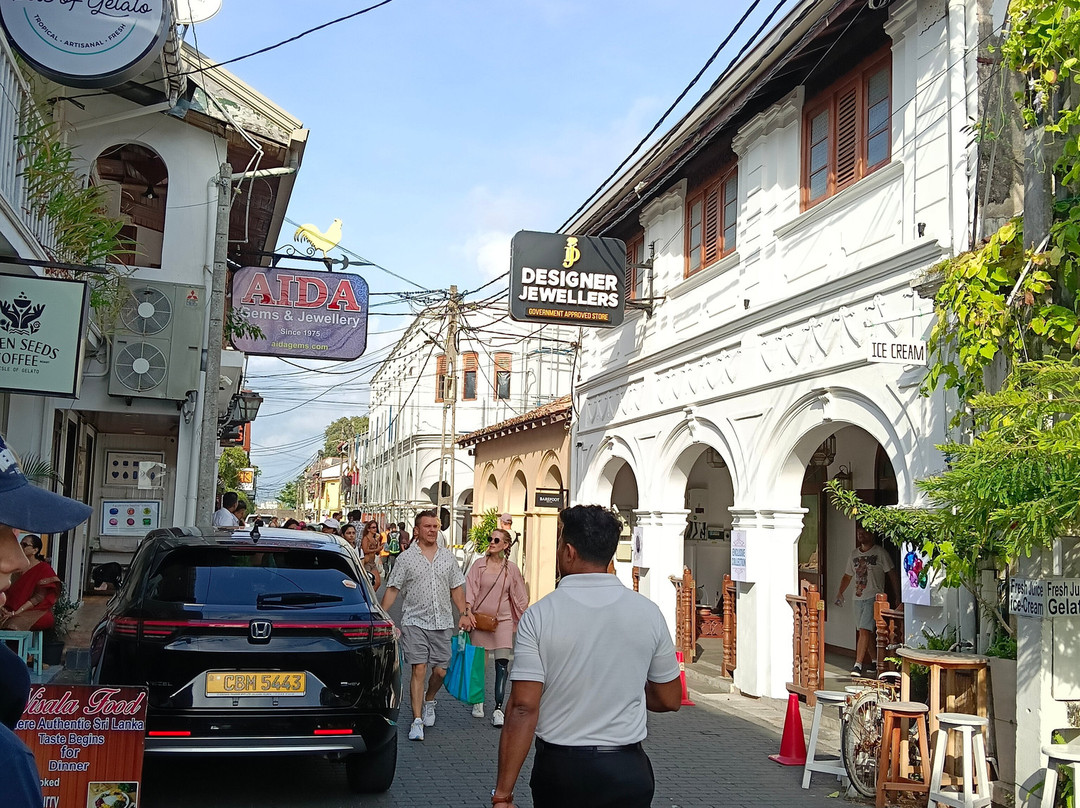
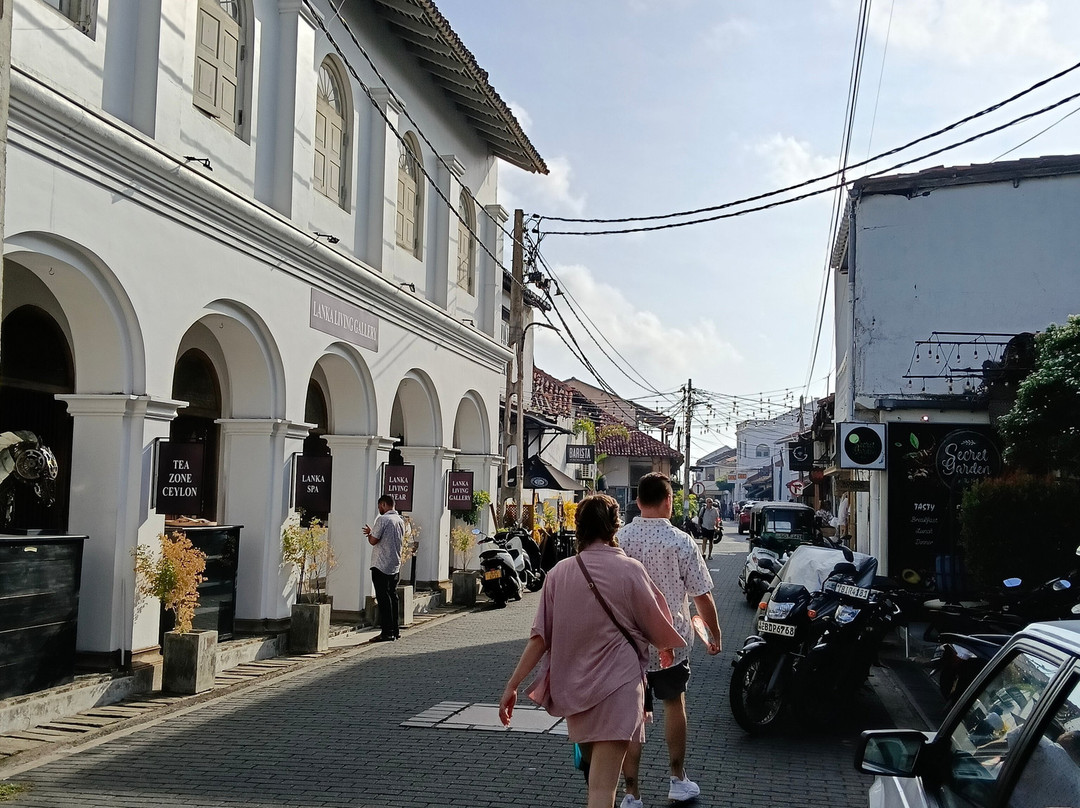
Today, the town presents itself as a delightful ensemble of respectable or even elegant streets, featuring evocative historic architecture, made all the more appealing by the views from the nearby ramparts. Some dwellings still clearly retain the layout they had during the colonial era. Now transformed into fancy residences, they clearly reflect the gentrification they have undergone in recent decades, following a long period of decline. Attempting to trace the path from this attractive present back to a past that was far from idyllic — even for the upper class — seems to me an instructive exercise.
This preservation is certainly explanable because, following the Dutch departure and throughout the 19th century, Galle — slowly but steadily — lost importance compared to Colombo; decline is often synonymous with preservation. The building stock from earlier periods proved oversized for later needs, thus — at least in its most prestigious sections — it was adapted rather than replaced.
We glean essential information on this subject from U.N. Jinadasa’s essay on Galle (2020), titled "Changes in the cultural landscape and their impact on heritage management", which is available online. The essay helps us interpret what we see, distinguish between older and more recent elements of the town's built form, and imagine life during the decades when the city was constructed after passing from Portuguese to Dutch rule.
First, it's worth noting that, even today, the built-up area doesn't entirely cover the city space enclosed within the walls. Particularly to the west, a large expanse between the walls and the buildings remains an open lawn — an area once designated for military drills. In the past, even more of the urban fabric was subject to military requirements (barracks, gunpowder magazines, other depots, etc.).
The town was organized — on a small but yet significant scale — much like a town in the Dutch homeland, featuring institutions for civil governance, education, and sanitation (including a remarkable sewage system). Yet, at least according to accounts from the late 18th century, the city remained notably unhealthy; there was even talk of a specific "Galle fever".
The town plan appears rational — both originally and today — with streets intersecting on an orthogonal grid, and generally lined with dignified buildings featuring verandas and inner courtyards, alongside the even more impressive public or religious structures that can still be admired today. However, as late as the mid-18th century, records indicate that numerous plots (perhaps even the majority?) were occupied by very modest dwellings roofed only with palm leaves; indeed, a 1744 edict issued directly from the VOC administration headquarters in Batavia — modern-day Jakarta — mandated that residents unable to afford the expense of a proper tiled roof leave the walled city within two years.
Today, the town presents itself as a delightful ensemble of respectable or even elegant streets, featuring evocative historic architecture, made all the more appealing by the views from the nearby ramparts. Some dwellings still clearly retain the layout they had during the colonial era. Now transformed into fancy residences, they clearly reflect the gentrification they have undergone in recent decades, following a long period of decline. Attempting to trace the path from this attractive present back to a past that was far from idyllic — even for the upper class — seems to me an instructive exercise.
翻译:在荷兰统治时期(1656年至1796年)——严格来说是由荷兰东印度公司而非荷兰政府直接管辖——由公司控制的斯里兰卡领土由一位驻科伦坡的总督进行管理,该地区被划分为三个主要的行政区:科伦坡、加勒和贾夫纳。在这三者之中,加勒是保存那个时代建筑风貌最完好的城市;事实上,它如今还荣膺了联合国教科文组织世界遗产的称号。这种保存状态无疑是可以解释的:在荷兰人撤离后,整个19世纪期间,与科伦坡相比,加勒的重要性逐渐下降;而衰败往往也就意味着建筑的保存。早期建造的建筑物规模对于后来的需求而言显得过大,因此——至少在其最具重要性的区域——这些建筑是被改造而非拆除。
关于这一主题,我们从U.N. Jinadasa于2020年撰写的关于加勒的文章中获取了重要信息。这篇题为《文化景观的变化及其对遗产管理的影响》的文章可在网上查阅。该文有助于我们解读所见景象,区分城镇建筑中较为古老与较新的部分,并让我们想象这座城市在从葡萄牙统治过渡到荷兰统治后建设数十年间人们的生活状况。
首先值得指出的是,即便在今天,建成区也并未完全覆盖城墙所围成的城市空间。尤其是在西部地区。城墙与建筑物之间的一大片区域至今仍是一片开阔的草坪——这里曾是用于军事训练的场所。过去,城市中还有更多区域需满足军事需求(如兵营、火药库及其他仓库等)。
这座小镇虽规模不大,但其规划方式却与荷兰本土的城镇十分相似:设有负责民政管理、教育及卫生的机构(包括一套出色的污水处理系统)。不过。至少根据18世纪末的记载,这座城市的环境依然极其糟糕;甚至还有所谓的“加勒热”这一特定疾病。
从整体布局来看,该城市的规划颇为合理——无论是当初还是如今皆是如此:街道按照正交网格相互交叉,两旁大多是带有门廊与内院的庄重建筑;此外还有更为宏伟的公共或宗教建筑,至今仍可供人欣赏。不过,直到18世纪中叶,情况依然如此。记录显示,许多地块(或许甚至占大多数?)上建造的都只是用棕榈叶作为屋顶的简陋住所;事实上,1744年由荷属东印度公司位于巴达维亚——即如今的雅加达——的总部颁布的一项敕令规定:无力承担铺设瓦片屋顶费用的居民必须在两年内离开这座有城墙环绕的城市。
如今,这座小镇呈现出一片由体面甚至优雅的街道构成的迷人景致。这里有着极具历史韵味的建筑,再加上从附近城墙上俯瞰的绝佳景致,更添迷人魅力。部分住宅的布局仍明显保留着殖民时期的原貌。如今它们已摇身变为高档住宅,清晰地反映出在经历长期衰落后,近几十年来此地所发生的绅士化进程。试图从如今这般美好的现状回溯到那个远称不上田园诗般的过去——即便对于上层阶级而言也是如此——在我看来是一项很有启发性的练习。
关于这一主题,我们从U.N. Jinadasa于2020年撰写的关于加勒的文章中获取了重要信息。这篇题为《文化景观的变化及其对遗产管理的影响》的文章可在网上查阅。该文有助于我们解读所见景象,区分城镇建筑中较为古老与较新的部分,并让我们想象这座城市在从葡萄牙统治过渡到荷兰统治后建设数十年间人们的生活状况。
首先值得指出的是,即便在今天,建成区也并未完全覆盖城墙所围成的城市空间。尤其是在西部地区。城墙与建筑物之间的一大片区域至今仍是一片开阔的草坪——这里曾是用于军事训练的场所。过去,城市中还有更多区域需满足军事需求(如兵营、火药库及其他仓库等)。
这座小镇虽规模不大,但其规划方式却与荷兰本土的城镇十分相似:设有负责民政管理、教育及卫生的机构(包括一套出色的污水处理系统)。不过。至少根据18世纪末的记载,这座城市的环境依然极其糟糕;甚至还有所谓的“加勒热”这一特定疾病。
从整体布局来看,该城市的规划颇为合理——无论是当初还是如今皆是如此:街道按照正交网格相互交叉,两旁大多是带有门廊与内院的庄重建筑;此外还有更为宏伟的公共或宗教建筑,至今仍可供人欣赏。不过,直到18世纪中叶,情况依然如此。记录显示,许多地块(或许甚至占大多数?)上建造的都只是用棕榈叶作为屋顶的简陋住所;事实上,1744年由荷属东印度公司位于巴达维亚——即如今的雅加达——的总部颁布的一项敕令规定:无力承担铺设瓦片屋顶费用的居民必须在两年内离开这座有城墙环绕的城市。
如今,这座小镇呈现出一片由体面甚至优雅的街道构成的迷人景致。这里有着极具历史韵味的建筑,再加上从附近城墙上俯瞰的绝佳景致,更添迷人魅力。部分住宅的布局仍明显保留着殖民时期的原貌。如今它们已摇身变为高档住宅,清晰地反映出在经历长期衰落后,近几十年来此地所发生的绅士化进程。试图从如今这般美好的现状回溯到那个远称不上田园诗般的过去——即便对于上层阶级而言也是如此——在我看来是一项很有启发性的练习。

© 2026 Tripadvisor 版权所有。
部分照片由 VFM Leonardo 提供。
TripAdvisor公司对外部网站的内容一概不负责。优惠价格中不含税和其他费用。
ICP证:沪B2-20200433
沪ICP备20013175号
 沪公网安备31010502005427号
鹰程信息技术(上海)有限公司