下载App
资质规则
旅行
账户

LisainRoma
VERY UPSETTING TO WITNESS THIS CRUEL TREATMENT OF CIVETS
Satria Agrowisata的点评
点评:Taken to this LUWAK coffee plantation as part of a day tour. LUWAK coffee is produced from processing civet poo as they eat coffee pods from the bush in the wild. Prior to this visit, I naively thought that the poo was harvested from their habitats.
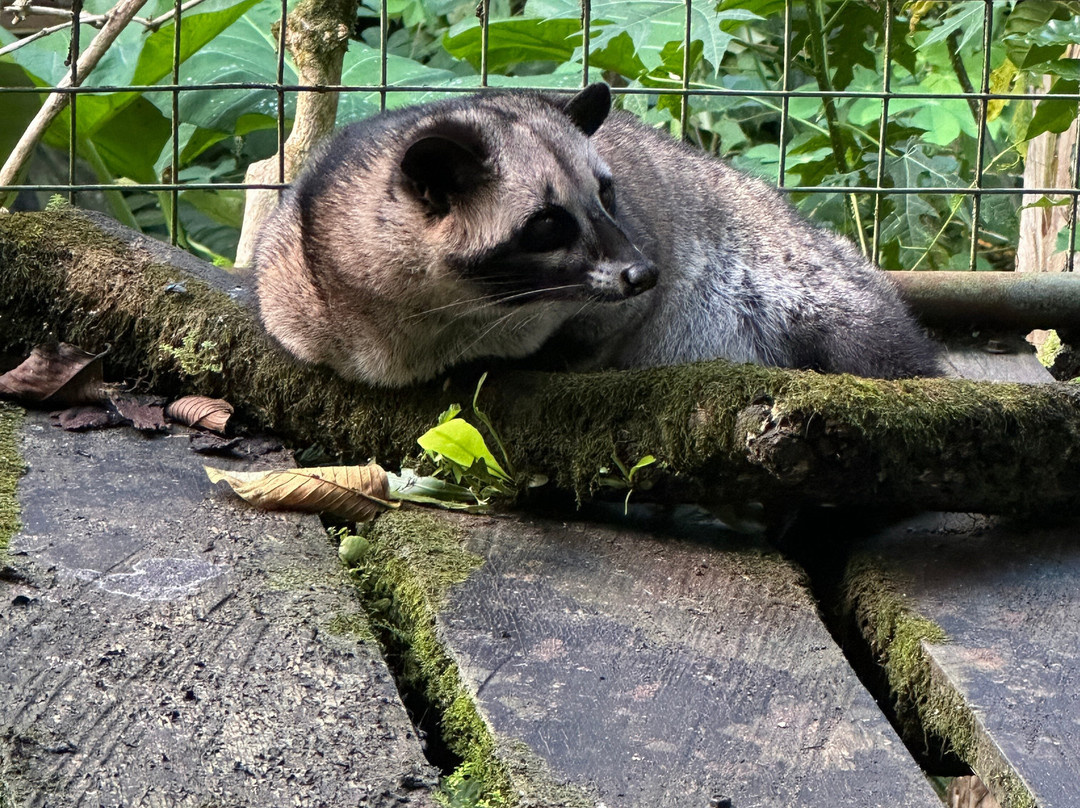
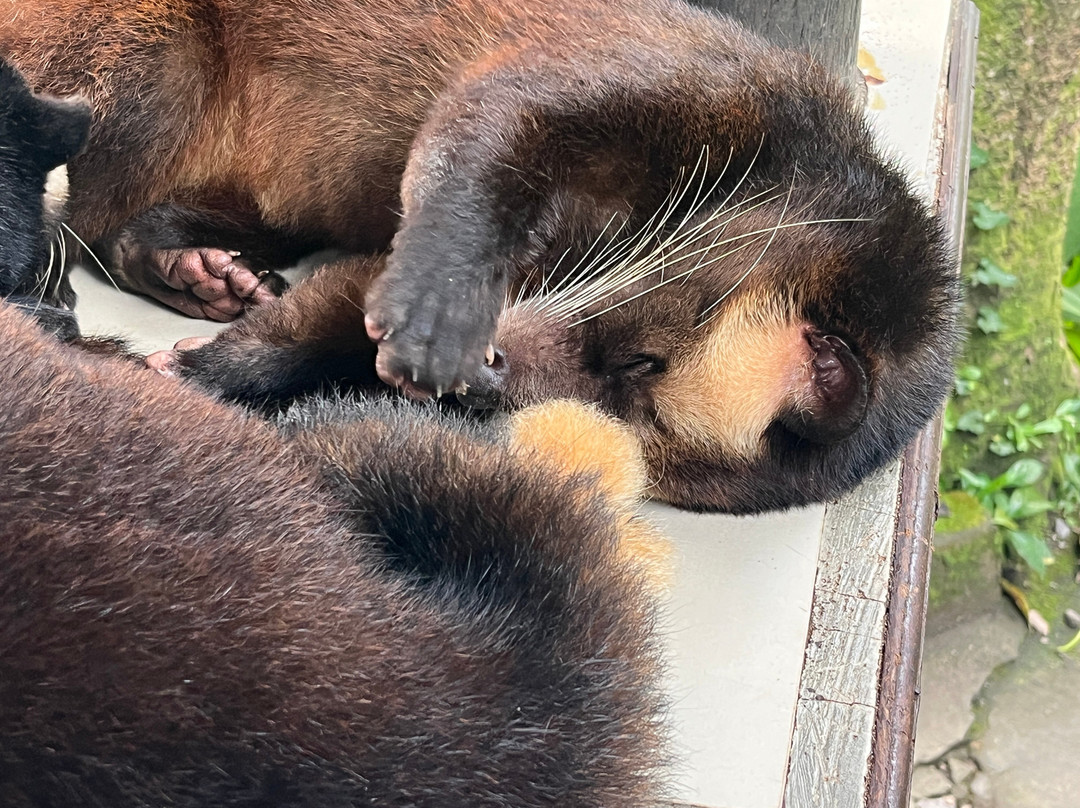
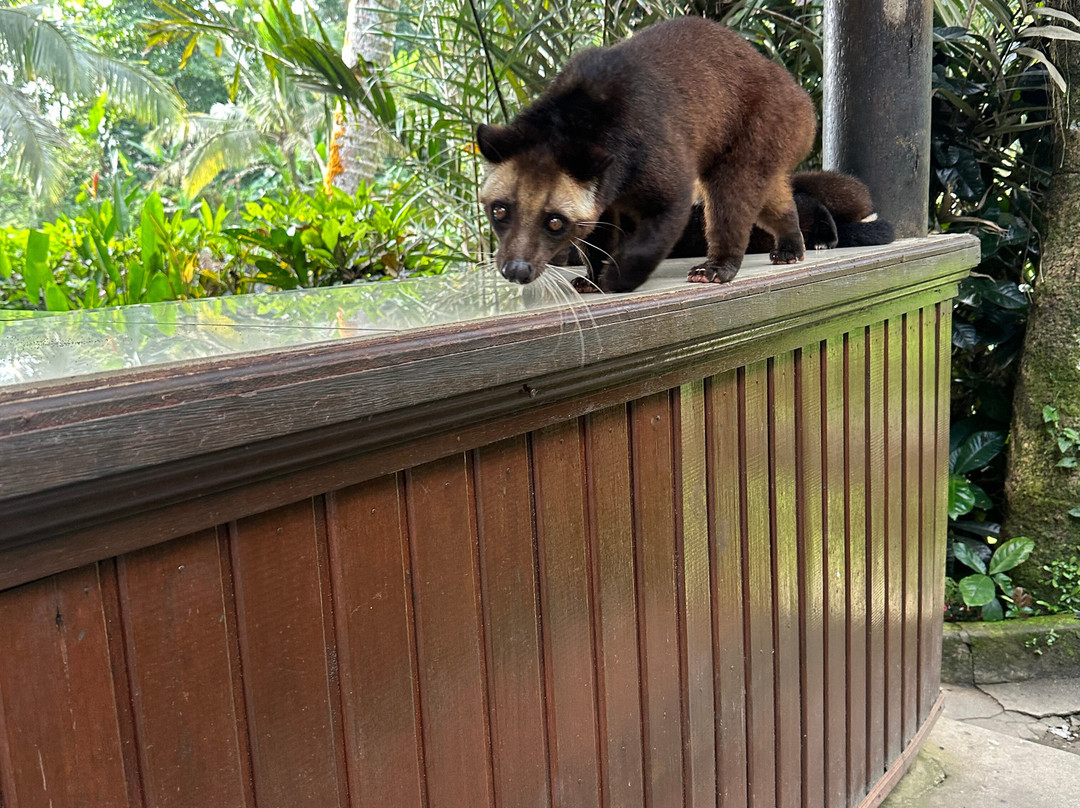
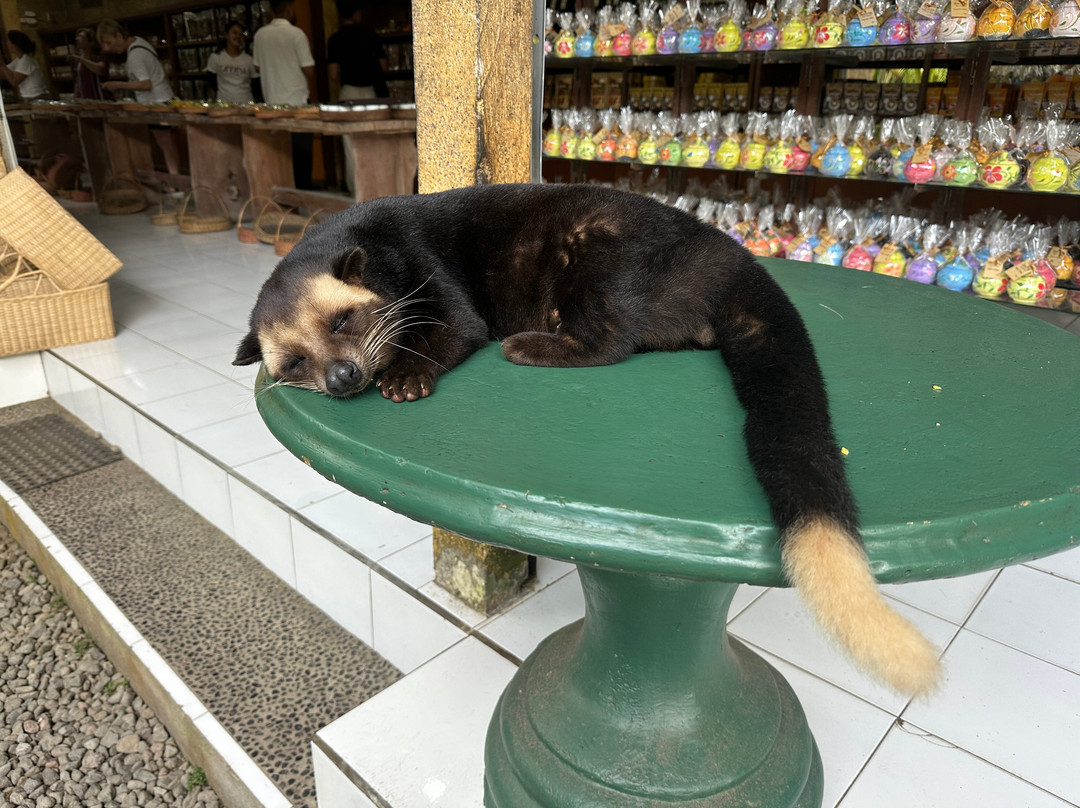
Was shown civets in cages and told that they were recovering from being poorly. There were signs on the cages saying they were released after a week. They all appeared asleep. We were then shown 3 uncaged civets, 2 on a bench and 1 on a table. They all appeared to be asleep. We were allowed to stroke them. They did not react in any way. As we were leaving, 1 of the civets on the bench began pacing back and forth, looking over the edge of the bench as if frightened to jump down. I asked one of the staff about it and was told it was because they had bad eyesight! I asked another staff member and they said that as it was evening they were just waking up- very strange responses. I have since read that the pacing behaviour is a sign of extreme psychological distress. They are solitary animals who don’t like human contact. World Animal Protection have been trying to stop this cruel practice, common in Asia, for many years, unfortunately, this cruel industry continues to be prolific in Asia. We have many ways of producing coffee that don’t involve cruel treatment of animals. THE WORLD DOES NOT NEED LUWAK COFFEE!!!!
Was shown civets in cages and told that they were recovering from being poorly. There were signs on the cages saying they were released after a week. They all appeared asleep. We were then shown 3 uncaged civets, 2 on a bench and 1 on a table. They all appeared to be asleep. We were allowed to stroke them. They did not react in any way. As we were leaving, 1 of the civets on the bench began pacing back and forth, looking over the edge of the bench as if frightened to jump down. I asked one of the staff about it and was told it was because they had bad eyesight! I asked another staff member and they said that as it was evening they were just waking up- very strange responses. I have since read that the pacing behaviour is a sign of extreme psychological distress. They are solitary animals who don’t like human contact. World Animal Protection have been trying to stop this cruel practice, common in Asia, for many years, unfortunately, this cruel industry continues to be prolific in Asia. We have many ways of producing coffee that don’t involve cruel treatment of animals. THE WORLD DOES NOT NEED LUWAK COFFEE!!!!
翻译:我参加了一个一日游,参观了这个麝香猫咖啡种植园。麝香猫咖啡是用麝香猫的粪便制成的,它们在野外吃咖啡树上的咖啡荚。在此之前,我一直天真地以为这些粪便是从它们的栖息地采集的。
工作人员带我们参观了笼子里的麝香猫,并告诉我们它们正在康复中。笼子上贴着告示,说它们一周后被放生了。它们看起来都睡着了。之后,我们又看到了三只被放生的麝香猫,两只在长凳上,一只在桌子上。它们看起来也都在睡觉。我们被允许抚摸它们,但它们没有任何反应。当我们准备离开时,长凳上的一只麝香猫开始来回踱步,不时地探头看向长凳边缘,好像害怕跳下去。我问了一位工作人员,他告诉我这是因为它的视力不好!我又问了另一位工作人员,他们说因为是晚上,它们才刚刚醒来——这样的回答真是奇怪。我后来了解到,踱步行为是极度心理痛苦的征兆。它们是独居动物,不喜欢与人类接触。世界动物保护协会多年来一直致力于制止这种在亚洲普遍存在的残忍做法,但不幸的是,这种残忍的产业在亚洲依然盛行。我们有很多种生产咖啡的方法,无需虐待动物。世界不需要麝香猫咖啡!
工作人员带我们参观了笼子里的麝香猫,并告诉我们它们正在康复中。笼子上贴着告示,说它们一周后被放生了。它们看起来都睡着了。之后,我们又看到了三只被放生的麝香猫,两只在长凳上,一只在桌子上。它们看起来也都在睡觉。我们被允许抚摸它们,但它们没有任何反应。当我们准备离开时,长凳上的一只麝香猫开始来回踱步,不时地探头看向长凳边缘,好像害怕跳下去。我问了一位工作人员,他告诉我这是因为它的视力不好!我又问了另一位工作人员,他们说因为是晚上,它们才刚刚醒来——这样的回答真是奇怪。我后来了解到,踱步行为是极度心理痛苦的征兆。它们是独居动物,不喜欢与人类接触。世界动物保护协会多年来一直致力于制止这种在亚洲普遍存在的残忍做法,但不幸的是,这种残忍的产业在亚洲依然盛行。我们有很多种生产咖啡的方法,无需虐待动物。世界不需要麝香猫咖啡!

© 2026 Tripadvisor 版权所有。
部分照片由 VFM Leonardo 提供。
TripAdvisor公司对外部网站的内容一概不负责。优惠价格中不含税和其他费用。
ICP证:沪B2-20200433
沪ICP备20013175号
 沪公网安备31010502005427号
鹰程信息技术(上海)有限公司