下载App
资质规则
旅行
账户
liucy752
1
Battle with Plague
Plague Column的点评
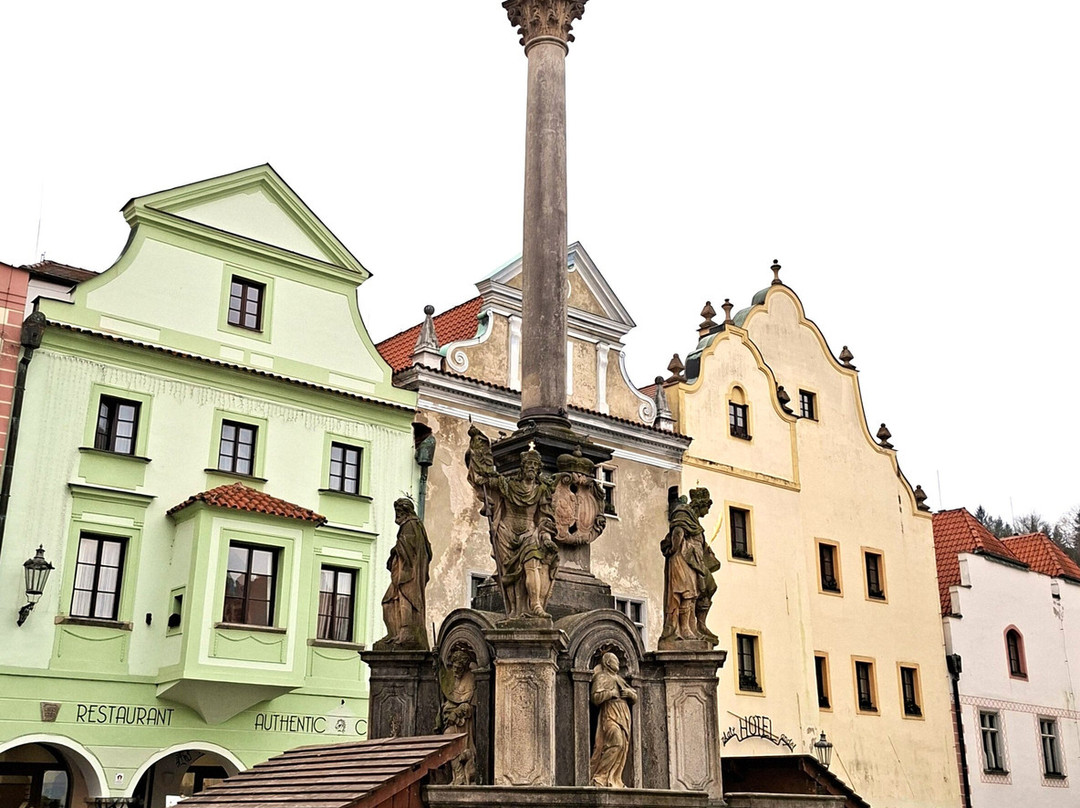
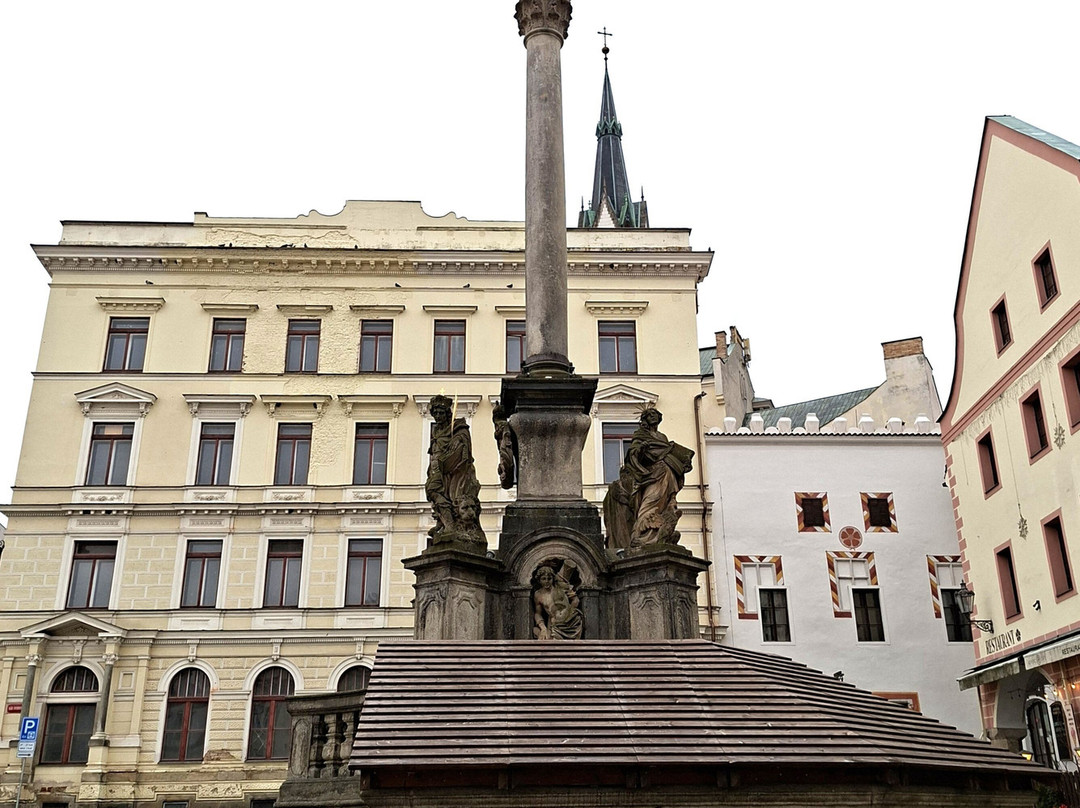
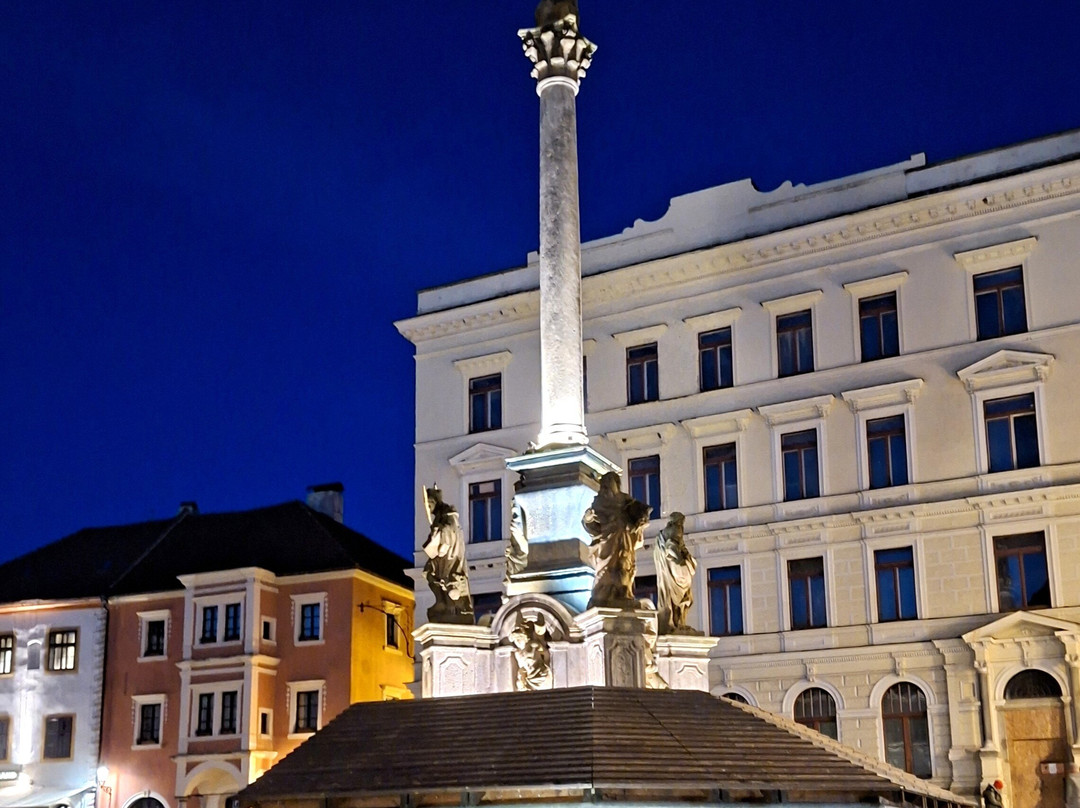
点评:This town is so beautiful that most tourists don't notice this monument. This Baroque monument, designed by Czech sculptor Matej Vaclav Jakl, was erected in 1716. It is topped with a statue of the Virgin Mary, and surrounded by several patron saints. Below should be a fountain, it was covered for protection in winter.
In the 17th and 18th centuries, the Black Death ravaged Central Europe. Many towns in the Habsburg territories, including present-day southern Germany, Austria, Czech, Slovakia, Hungary, and others, erected plague columns.
The plague of that time were bubonic plague and pneumonic plague, causing a significant population decline in Europe. The plague we faced in 2019 was a coronavirus. Though advanced medicine reduced the death toll to a level not as severe as the medieval Black Death, it still seriously impacted our lives for three years.
The war between humanity and plague seems to repeat itself every few decades. No wonder Albert Camus said, "So all a man could win in the conflict between plague and life was knowledge and memories." (1947)
In the 17th and 18th centuries, the Black Death ravaged Central Europe. Many towns in the Habsburg territories, including present-day southern Germany, Austria, Czech, Slovakia, Hungary, and others, erected plague columns.
The plague of that time were bubonic plague and pneumonic plague, causing a significant population decline in Europe. The plague we faced in 2019 was a coronavirus. Though advanced medicine reduced the death toll to a level not as severe as the medieval Black Death, it still seriously impacted our lives for three years.
The war between humanity and plague seems to repeat itself every few decades. No wonder Albert Camus said, "So all a man could win in the conflict between plague and life was knowledge and memories." (1947)
翻译:这座小镇如此美丽,以至于大多数游客都忽略了这座纪念碑。这座巴洛克式纪念碑由捷克雕塑家马泰·瓦茨拉夫·雅克尔设计,建于1716年。纪念碑顶部是圣母玛利亚的雕像,周围环绕着几位守护圣人的雕像。下方原本应该有一座喷泉,但为了冬季保护,喷泉被遮盖了起来。
17至18世纪,黑死病肆虐中欧。哈布斯堡王朝统治下的许多城镇,包括今天的德国南部、奥地利、捷克、斯洛伐克、匈牙利等地,都竖起了瘟疫柱。
当时的瘟疫包括腺鼠疫和肺鼠疫,导致欧洲人口大幅下降。而我们在2019年面临的瘟疫是新冠病毒。尽管先进的医学将死亡人数降低到远不及中世纪黑死病的程度,但它仍然对我们的生活造成了长达三年的严重影响。
人类与瘟疫之间的战争似乎每隔几十年就会重演一次。难怪阿尔贝·加缪会说:“因此,在瘟疫与生命的斗争中,人类所能赢得的只有知识和记忆。”(1947)
17至18世纪,黑死病肆虐中欧。哈布斯堡王朝统治下的许多城镇,包括今天的德国南部、奥地利、捷克、斯洛伐克、匈牙利等地,都竖起了瘟疫柱。
当时的瘟疫包括腺鼠疫和肺鼠疫,导致欧洲人口大幅下降。而我们在2019年面临的瘟疫是新冠病毒。尽管先进的医学将死亡人数降低到远不及中世纪黑死病的程度,但它仍然对我们的生活造成了长达三年的严重影响。
人类与瘟疫之间的战争似乎每隔几十年就会重演一次。难怪阿尔贝·加缪会说:“因此,在瘟疫与生命的斗争中,人类所能赢得的只有知识和记忆。”(1947)

© 2026 Tripadvisor 版权所有。
部分照片由 VFM Leonardo 提供。
TripAdvisor公司对外部网站的内容一概不负责。优惠价格中不含税和其他费用。
ICP证:沪B2-20200433
沪ICP备20013175号
 沪公网安备31010502005427号
鹰程信息技术(上海)有限公司