下载App
资质规则
旅行
账户
Brun066
An essential museum for Corfu, a visit in summer is unpleasant due to the lack of air conditioning.
Archaeological Museum of Corfu的点评
点评:The attentive visitor will notice that this museum largely houses documents (and some masterpieces) of "archaic" Greek sculpture (before 500 BCE), rather than classical. Evidently, the heyday of Greek civilization in Corfu dates back to this period.
The pediment of the Temple of Artemis, with its famous relief of the mythological Gorgon Medusa (585-580 BCE), stands out. It's considered the largest (and perhaps most beautiful?) surviving work from that era in Greece. Also outstanding are the crouching lion from the cenotaph of Menecrates (a famous Corfu magistrate; late 7th century BCE), a masterpiece of Corinthian sculpture; and the pediment of the Temple of Dionysus (ca. 500 BCE), depicting a Dionysiac symposium.
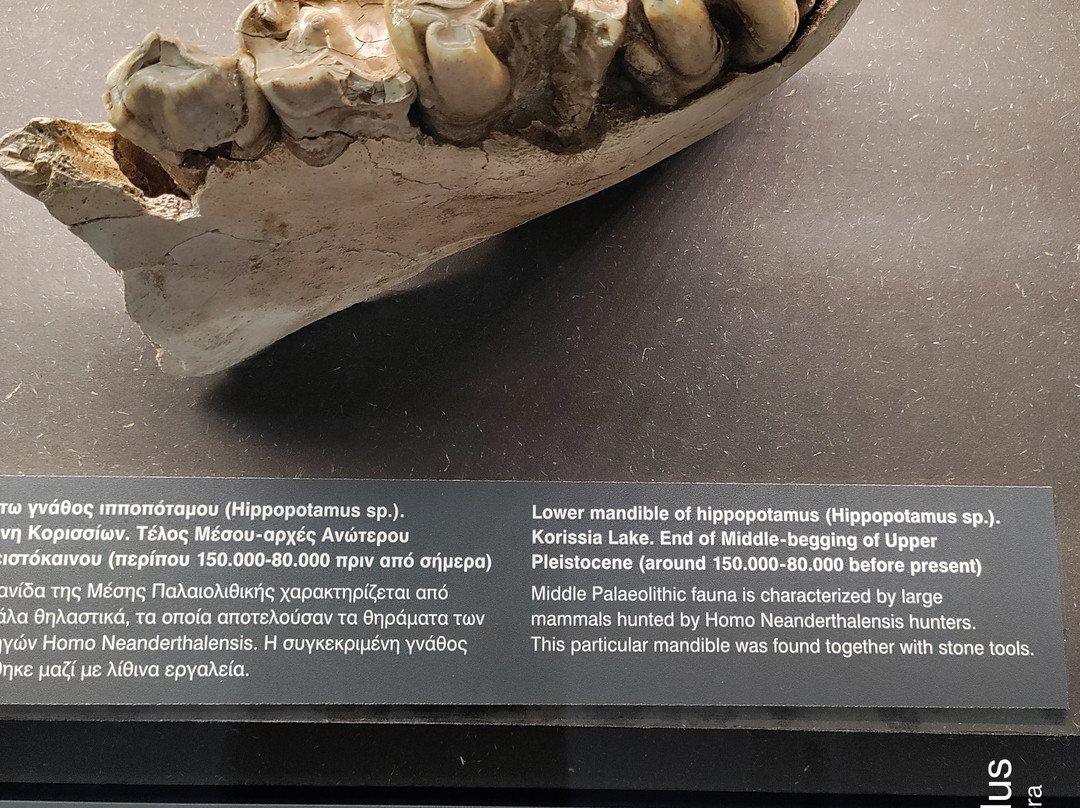
But these masterpieces are complemented by many other artifacts, spanning the eras from the Paleolithic to the Early Middle Ages, making this museum one of the city's and the island's main attractions.
The museum's exhibition criteria are modern and pleasant.
Unfortunately, there is one flaw that prevents me from giving this attraction the highest rating: the lack of air conditioning. This, in Corfu's summer climate, makes visiting the museum a pain, and the work of the security staff arduous.
The pediment of the Temple of Artemis, with its famous relief of the mythological Gorgon Medusa (585-580 BCE), stands out. It's considered the largest (and perhaps most beautiful?) surviving work from that era in Greece. Also outstanding are the crouching lion from the cenotaph of Menecrates (a famous Corfu magistrate; late 7th century BCE), a masterpiece of Corinthian sculpture; and the pediment of the Temple of Dionysus (ca. 500 BCE), depicting a Dionysiac symposium.
But these masterpieces are complemented by many other artifacts, spanning the eras from the Paleolithic to the Early Middle Ages, making this museum one of the city's and the island's main attractions.
The museum's exhibition criteria are modern and pleasant.
Unfortunately, there is one flaw that prevents me from giving this attraction the highest rating: the lack of air conditioning. This, in Corfu's summer climate, makes visiting the museum a pain, and the work of the security staff arduous.
翻译:细心的参观者会注意到,这座博物馆主要收藏的是“早期”希腊雕塑(公元前500年以前)的文献资料及部分杰作,而非古典时期的作品。显然,科孚岛上希腊文明的鼎盛时期正是在这一时期。
阿尔忒弥斯神庙的山花墙面格外引人注目,上面有著名的神话人物戈耳贡女妖美杜莎浮雕(公元前585–580年)。它被视为希腊现存的同时期作品中最大型(或许也是最精美的?)的艺术品。同样出色的还有梅内克拉特斯纪念碑上的蹲伏狮子像——这是科林斯雕塑艺术的杰作;梅内克拉特斯是科孚岛著名的司法官员,该纪念碑建于公元前7世纪末。此外还有狄俄尼索斯神庙的山花墙,大约建于公元前500年,上面雕刻着一场狄俄尼索斯庆祝宴会的场景。
不过,这些杰作还得到了众多其他文物的衬托,这些文物涵盖了从旧石器时代到中世纪早期的各个时期,使得这座博物馆成为这座城市及整个岛屿上最主要的旅游景点之一。这家博物馆的展览设计既现代又赏心悦目。
遗憾的是,有一个缺陷让我无法给它打出最高评分:缺乏空调。在科孚岛的夏季气候下,这使得参观博物馆变得十分痛苦,也增加了安保人员的负担。
阿尔忒弥斯神庙的山花墙面格外引人注目,上面有著名的神话人物戈耳贡女妖美杜莎浮雕(公元前585–580年)。它被视为希腊现存的同时期作品中最大型(或许也是最精美的?)的艺术品。同样出色的还有梅内克拉特斯纪念碑上的蹲伏狮子像——这是科林斯雕塑艺术的杰作;梅内克拉特斯是科孚岛著名的司法官员,该纪念碑建于公元前7世纪末。此外还有狄俄尼索斯神庙的山花墙,大约建于公元前500年,上面雕刻着一场狄俄尼索斯庆祝宴会的场景。
不过,这些杰作还得到了众多其他文物的衬托,这些文物涵盖了从旧石器时代到中世纪早期的各个时期,使得这座博物馆成为这座城市及整个岛屿上最主要的旅游景点之一。这家博物馆的展览设计既现代又赏心悦目。
遗憾的是,有一个缺陷让我无法给它打出最高评分:缺乏空调。在科孚岛的夏季气候下,这使得参观博物馆变得十分痛苦,也增加了安保人员的负担。

© 2026 Tripadvisor 版权所有。
部分照片由 VFM Leonardo 提供。
TripAdvisor公司对外部网站的内容一概不负责。优惠价格中不含税和其他费用。
ICP证:沪B2-20200433
沪ICP备20013175号
 沪公网安备31010502005427号
鹰程信息技术(上海)有限公司