下载App
资质规则
旅行
账户

annesimba2
This is one of the most underrated attractions in all of Sicily
Cave di Cusa的点评
点评:This is one of the most underrated attractions in all of Sicily. I have been here three times, and on every single visit I had the place entirely to myself. I have even wondered whether I should keep it a secret. 😊
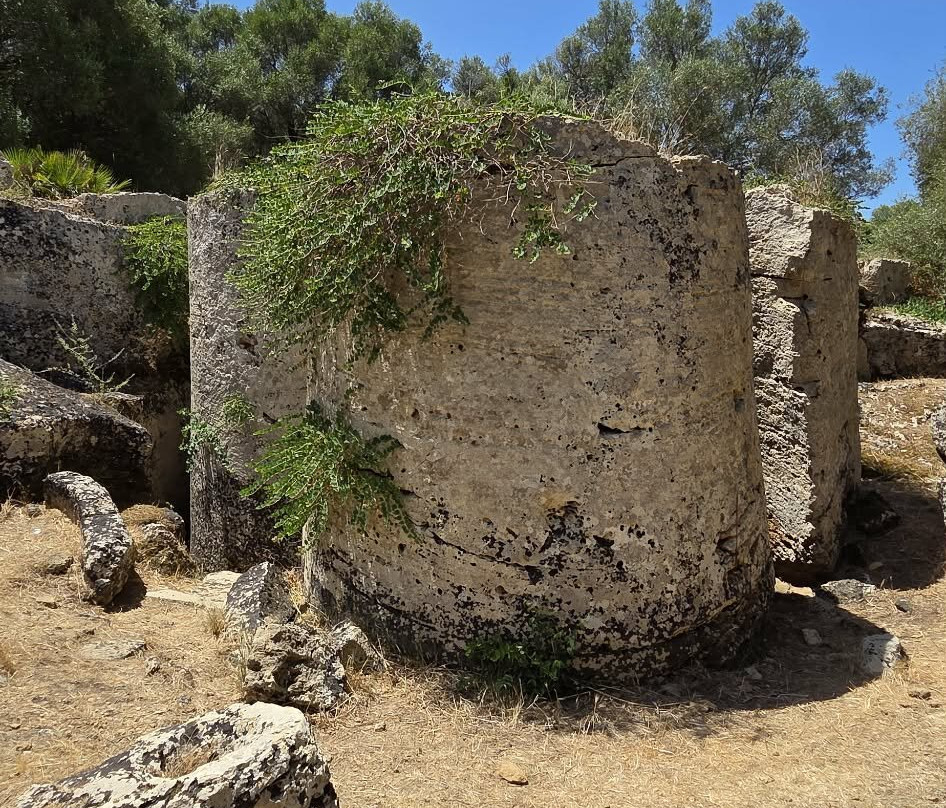
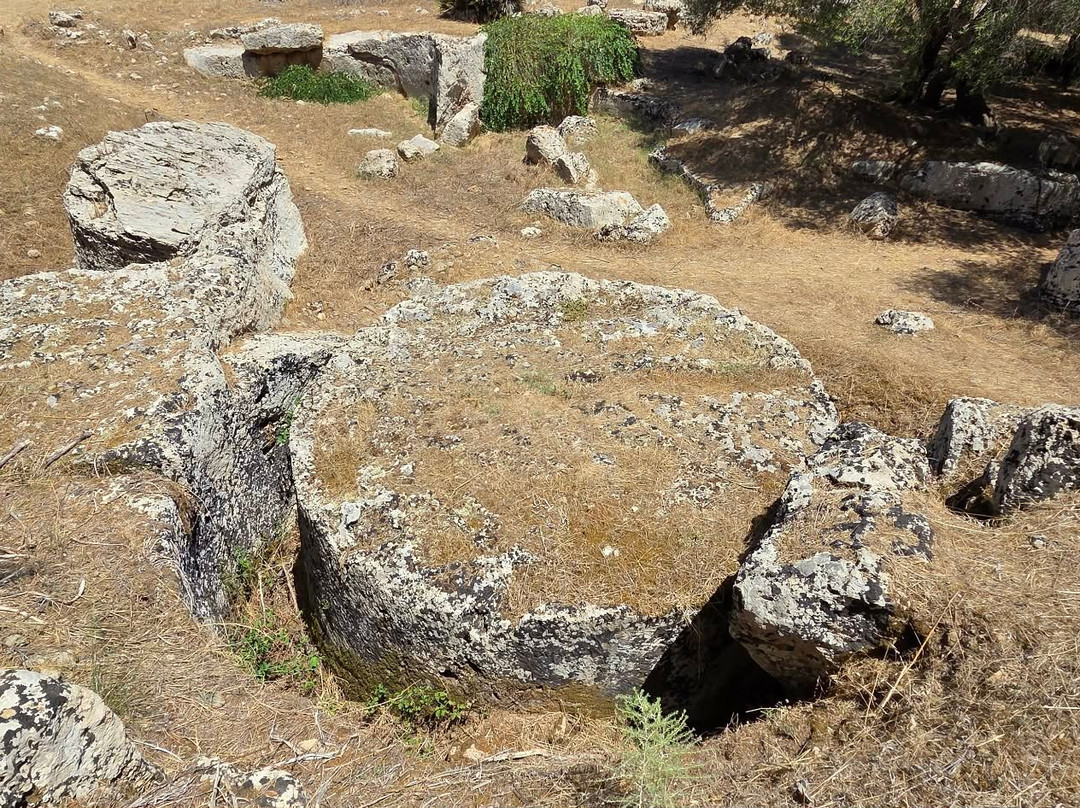
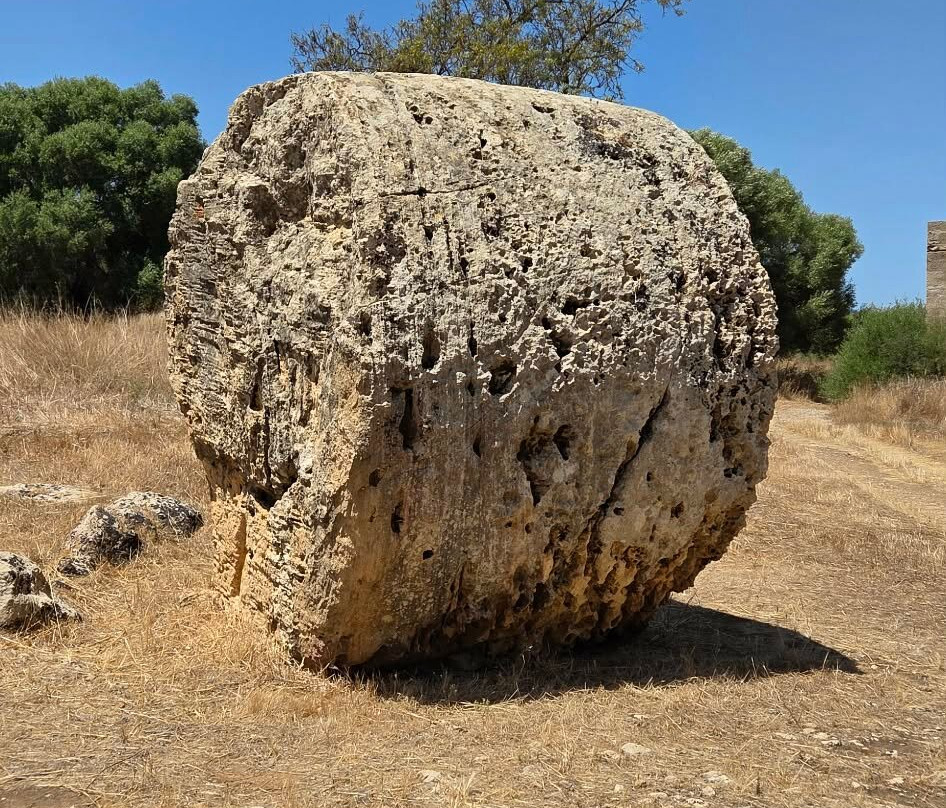
In any case, when Selinunte was sacked and burned, and almost all of its inhabitants were killed, the slaves working in the quarry fled. This had two remarkable consequences. First, the slaves were among the very few people who survived the attack by Carthage and Segesta. Second, the quarry where the columns were carved remains almost exactly as it was on that sudden day 2,500 years ago, when the slaves abandoned their work and escaped.
Walking through the site stirs countless thoughts. How did they manage to transport those enormous columns all the way to Selinunte? Seeing the unfinished columns still standing where they were left evokes vivid images of life in those times: the relentless labor, the brutal reality of slavery, and the sheer hardship of their existence. One can almost picture the workers dropping their tools, leaving everything behind, and running from the crushing burden of their daily toil.
In any case, when Selinunte was sacked and burned, and almost all of its inhabitants were killed, the slaves working in the quarry fled. This had two remarkable consequences. First, the slaves were among the very few people who survived the attack by Carthage and Segesta. Second, the quarry where the columns were carved remains almost exactly as it was on that sudden day 2,500 years ago, when the slaves abandoned their work and escaped.
Walking through the site stirs countless thoughts. How did they manage to transport those enormous columns all the way to Selinunte? Seeing the unfinished columns still standing where they were left evokes vivid images of life in those times: the relentless labor, the brutal reality of slavery, and the sheer hardship of their existence. One can almost picture the workers dropping their tools, leaving everything behind, and running from the crushing burden of their daily toil.
翻译:这是西西里岛上最被低估的景点之一。我总共来过三次,每次都只有我一个人置身于此。我甚至想过是否应该把这个地方当作秘密保守起来呢。😊
话说回来,当塞利努特特遭到洗劫与焚毁,几乎所有居民都丧生时,在采石场工作的奴隶们则逃走了。这一举动带来了两个重要的后果:首先,这些奴隶是少数在迦太基与塞盖斯塔的攻击中幸存下来的人;其次……那个雕刻石柱的采石场,至今仍几乎保持着2500年前那个特殊日子里的原貌——那时,奴隶们抛下手中的工作,纷纷逃走了。
漫步于此,思绪万千。他们究竟是如何将那些巨大的石柱运送到塞林努恩特的呢?看着那些未完工的石柱依然矗立在原地,我们仿佛能亲眼目睹那个时代的生活图景:艰辛的劳作、残酷的奴隶制度,以及人们所经历的种种苦难。我们几乎可以想象这样的场景:工人们扔下工具,抛下一切,从日复一日的沉重劳役中逃走。
话说回来,当塞利努特特遭到洗劫与焚毁,几乎所有居民都丧生时,在采石场工作的奴隶们则逃走了。这一举动带来了两个重要的后果:首先,这些奴隶是少数在迦太基与塞盖斯塔的攻击中幸存下来的人;其次……那个雕刻石柱的采石场,至今仍几乎保持着2500年前那个特殊日子里的原貌——那时,奴隶们抛下手中的工作,纷纷逃走了。
漫步于此,思绪万千。他们究竟是如何将那些巨大的石柱运送到塞林努恩特的呢?看着那些未完工的石柱依然矗立在原地,我们仿佛能亲眼目睹那个时代的生活图景:艰辛的劳作、残酷的奴隶制度,以及人们所经历的种种苦难。我们几乎可以想象这样的场景:工人们扔下工具,抛下一切,从日复一日的沉重劳役中逃走。

© 2026 Tripadvisor 版权所有。
部分照片由 VFM Leonardo 提供。
TripAdvisor公司对外部网站的内容一概不负责。优惠价格中不含税和其他费用。
ICP证:沪B2-20200433
沪ICP备20013175号
 沪公网安备31010502005427号
鹰程信息技术(上海)有限公司