下载App
资质规则
旅行
账户

Gregory M
Explore Lewes's Dutch History and See a 19th Century Oddity
Zwaanendael Museum的点评
点评:Lewes was once an early Dutch colony in what is now Delaware. The town boasts that it is the first town (likely true) in the first state (which is kind of true, based on the ratification of the Constitution).
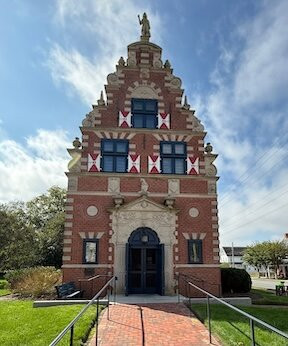
The Zwaanendael Museum celebrates this heritage. The building itself is just steps from the nice center of the old town, where we found several parking areas. The exterior was deliberately patterned in the 1930s from a town hall in the Netherlands (Horn).
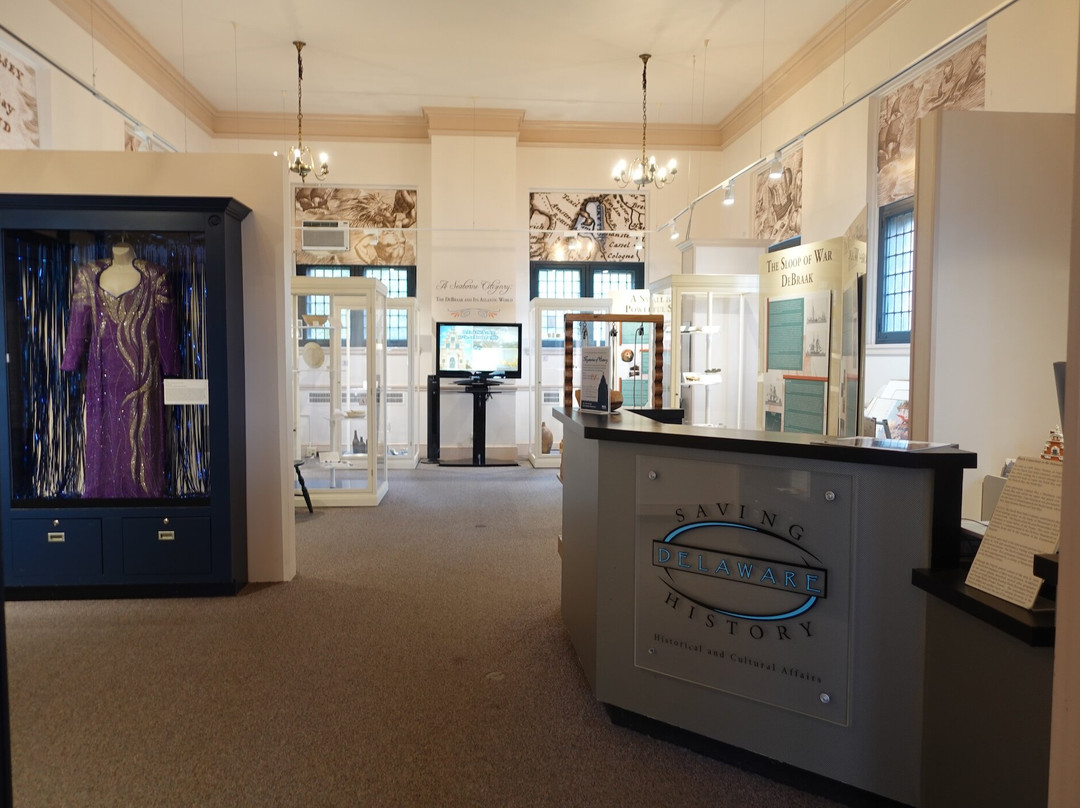
The building is not especially large, and consists of two galleries, one on each floor. You can't beat the price -- free.
We came here during the shoulder season. The staff was extremely nice and eager to tell the town's story. Talk to these folks as they know a lot and I think many are volunteers.
The museum is very nice on the inside. The first floor during our visit focused on the archaeological retrieval of a British ship that foundered off the coast of the new United States in 1798. By the way, the British shelled Lewes during the War of 1812, and there are plaques nearby.
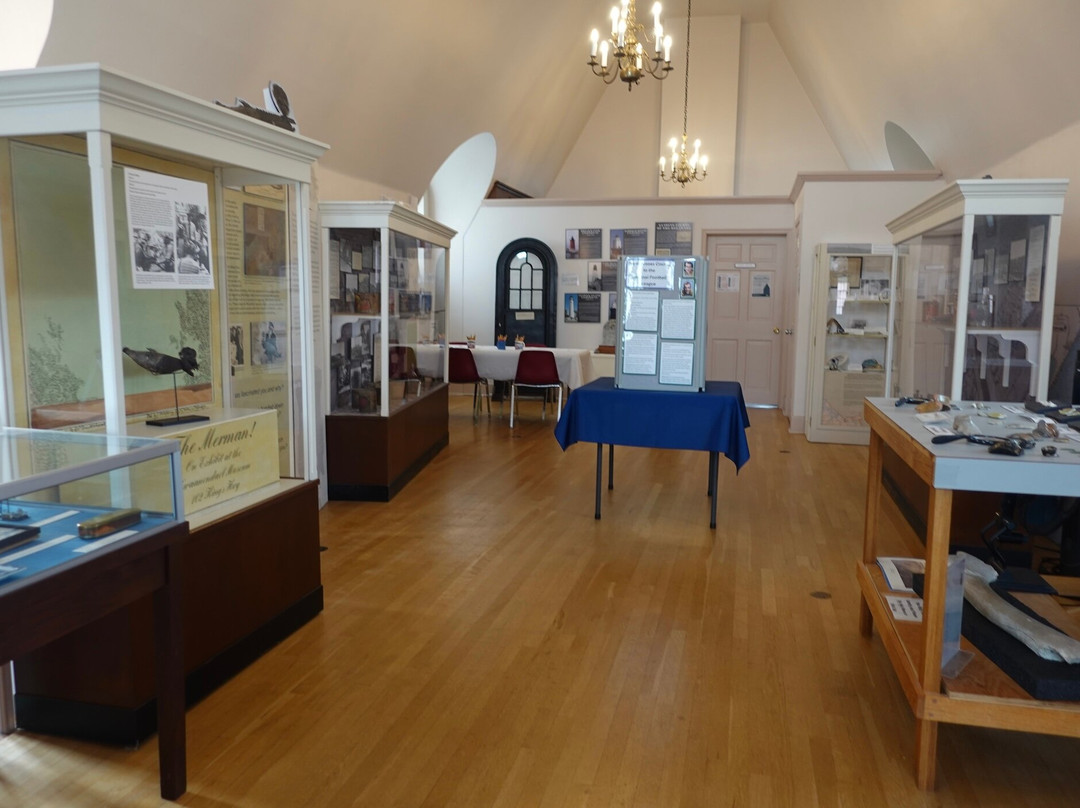
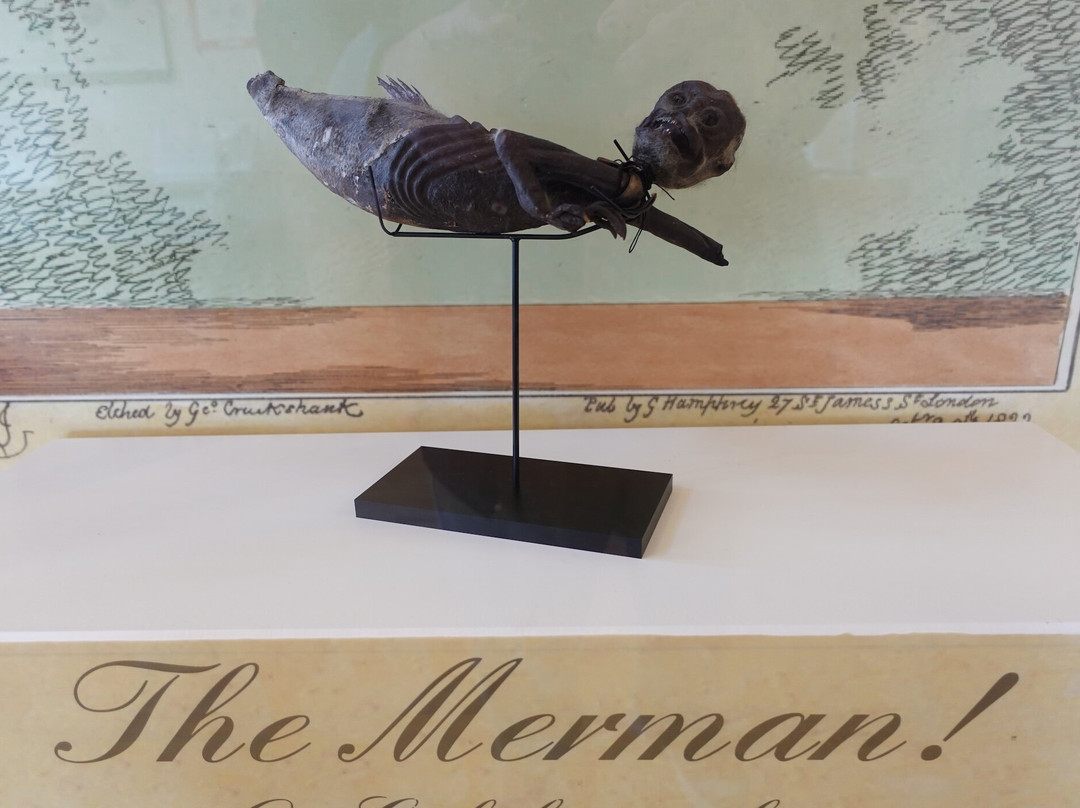
Upstairs is the reason most people (including us) came here. They have what they call the "merman", which is probably more commonly known as a "Fiji Mermaid." It turns out that this is actually a talisman of sorts from early Japanese culture, but P.T. Barnum acquired one in the 1840's, dubbed it the "Fiji Mermaid," and the name (for the most part) stuck. In fact it is a bit of taxidermy combining the body of a juvenile monkey, the tail of a fish, and some other materials to create a kind of scary mermaid. It was brought to the town by a sea captain and later acquired when he died. Fans of side shows, oddities, and natural curiosities will all want to see it.
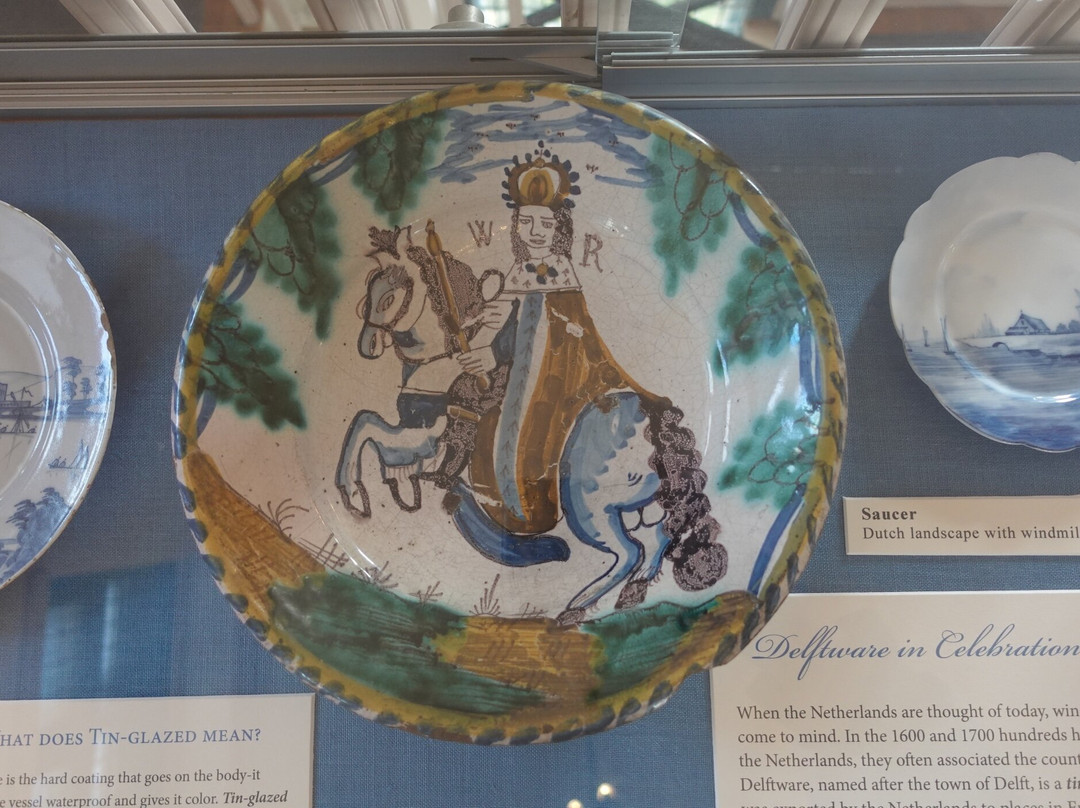
This same floor also has some Delft pottery, including one image of this very building, as well as a plate depicting William of Orange, of William and Mary fame.
This isn't a big attraction, but if you are in Lewes it's one well worth a visit.
翻译:刘易斯曾是荷兰在如今特拉华州境内最早建立的殖民地。该镇自称是该州的第一个城镇(这很可能是真的);而从宪法批准的角度来看,这一说法也基本成立。
兹瓦嫩代尔博物馆便是为纪念这段历史而建。博物馆建筑紧邻老镇的繁华中心地带,我们在那里找到了好几处停车场。其外观设计是20世纪30年代时参照荷兰霍伦镇的市政厅而刻意打造的。这座建筑规模并不大,由两层楼组成,每层都有一个展厅。价格更是没得挑——免费。
我们是在旅游淡季时来的。工作人员非常友善,还热心地向我们讲述了这座小镇的历史。不妨和他们聊一聊,他们懂得很多,而且我觉得很多人都是志愿者。
博物馆内部非常不错。我们参观时,一楼的展览重点介绍了1798年一艘英国船只在美国东海岸附近沉没后的考古发掘过程。顺便提一下,在1812年战争期间,英国军队曾炮击过刘易斯镇,附近还有相关的纪念牌。
楼上则是大多数人(包括我们)前来此地的原因。那里展出了他们所称的“人鱼”,这个东西或许更常被称为“斐济人鱼”。实际上,它算是日本早期文化中的一种护身符;不过P.T.巴纳姆在19世纪40年代得到了一件类似的物品,并将其命名为“斐济人鱼”,此后这个名字便基本沿用下来了。事实上,这是一件标本制品——它将一只幼猴的身体、一条鱼的尾巴以及其他一些材料组合起来,从而制作出一只看起来十分恐怖的“美人鱼”。这件物品是由一位船长带进镇上的,后来在他去世后便被收藏于此。那些喜欢马戏杂耍、奇珍异物以及自然奇观的人们一定都想一睹为快。
同一层还陈列着一些代尔夫特陶器,其中有一件上面描绘的正是这座建筑;另外还有一块盘子,上面绘有因威廉与玛丽而闻名的奥兰治的威廉。这算不上是什么大景点,但如果你身在刘易斯,绝对值得一去。

© 2026 Tripadvisor 版权所有。
部分照片由 VFM Leonardo 提供。
TripAdvisor公司对外部网站的内容一概不负责。优惠价格中不含税和其他费用。
ICP证:沪B2-20200433
沪ICP备20013175号
 沪公网安备31010502005427号
鹰程信息技术(上海)有限公司